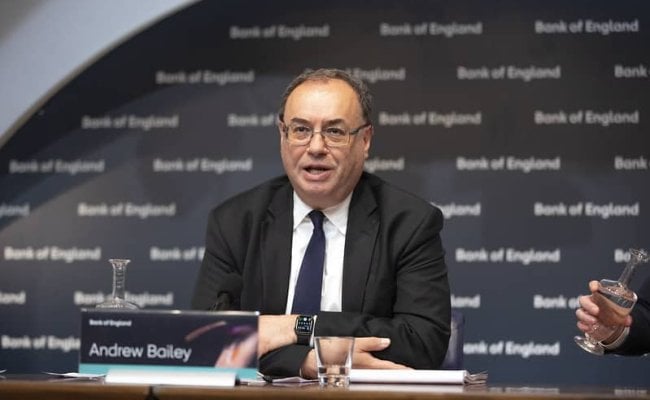


Above: Moritz Kraemer at S&P (c) Pound Sterling Live 2015.
“The water between Greece and Europe is very deep and a solution after tonight is unlikely,” - Piet Lammens at KBC Bank in Belgium ahead of the Eurogroup meeting.
The risk of Greece’s turmoil spreading to the rest of the euro zone is low, a senior official at ratings agency Standard & Poor’s said today.
While the risks associated with a country leaving the euro zone were difficult to foresee, he said the euro zone could cope if Greece quit the bloc.
"Greece's risk premium has drastically increased again recently but the panic hasn't leapfrogged over to other former crisis countries. The risk of contagion doesn't seem to actually be that big," says Moritz Kraemer, S&P's chief sovereign ratings officer.
The comments come as the euro reaches fresh lows against the pound sterling on global exchange rate markets.
While the moves are largely as a result of the divergent policy stance held by the Bank of England and European Central Bank there is certainly an element of safe haven demand driving interest in sterling.
The S&P comments come ahead of an extraordinary Eurogroup meeting scheduled to plot a solution on the Greek debt crisis.
The meeting will be attended by EMU Ministers of Finance, ECB Draghi and the IMF’s Christine Lagarde.
Since the Syriza election victory, Greek PM Tsipras and Greek FM Varoufakis have maintained a harsh line on the future of the bailout.
“The water between Greece and Europe is very deep and a solution after tonight is unlikely,” cautions FX analyst Piet Lammens at KBC Bank in Belgium.
On Thursday and Friday, EU leaders gather for an EU Summit and on Monday another Eurogroup meeting is scheduled.
Greek FM Varoufakis hopes to find a short term “bridge loan” to cover liquidity needs and buy time to reach agreement on a new “contract” with Europe.
Short term funds should enable Greece to exit the current bailout programme as it expires at the end of February.
“That’s a thorny issue for Europe. Their mantra goes: no bailout (monitoring), no funds. Increased uncertainty should keep the Bund in the defensive,” says Lammens.