Image © Adobe Images
A run of surprisingly strong growth data provides the clearest evidence pound sterling can avoid the H2 slump the consensus expects.
Pound Sterling Live is establishing a house view on the British pound for the remainder of 2026, and it challenges the consensus: the UK currency could actually be set to outperform against downbeat expectations through the second half of the year.
The view is risky given the well-known fiscal challenges the government faces, but all told, we think the downbeat sentiment skew is favourable for a bullish surprise.
That downbeat sentiment skew is reflected in a prevailing institutional position that looks for the economy to slow sharply into year-end and political anxieties to rise into the Budget.
- HSBC provides a useful institutional template; we recently reported that analysts at the bank expect the pound to be vulnerable to a pullback as the Bank of England eyes a slowing economy and bypasses the rate hikes the market is expecting.
- Another example: Rabobank writes to clients this week saying it is minded to buy euro dips against the pound on the expectation the pound underperforms through a difficult autumn.
The views are sympathetic to the prevailing consensus forecast for a decline in the pound against both the euro and dollar, but we think that consensus underestimates two things: the economy, and Andy Burnham's political instincts.
1) The Economy is Outperforming
The economy is thus far showing little sign of slowing, in defiance of well-known expectations for seasonality to start to weigh as it has done in recent years.
The UK expanded 0.4% in the second quarter, with June alone growing 0.3% against expectations for a flat month, taking annual growth to a stronger-than-expected 1.2%.
The numbers easily beat the forecasts set by the Bank of England in its most recent forecasting round, raising risks the Bank will mark-to-market on forecasts and lean into a more 'hawkish' tone in upcoming policy updates.
That follows the 0.6% expansion recorded in the first quarter, and the momentum extends beyond the GDP figures: the July 'flash' composite PMI rose to 52.1, June retail sales beat expectations, and recent labour market data show the jobs dip of the past two years has stabilised.
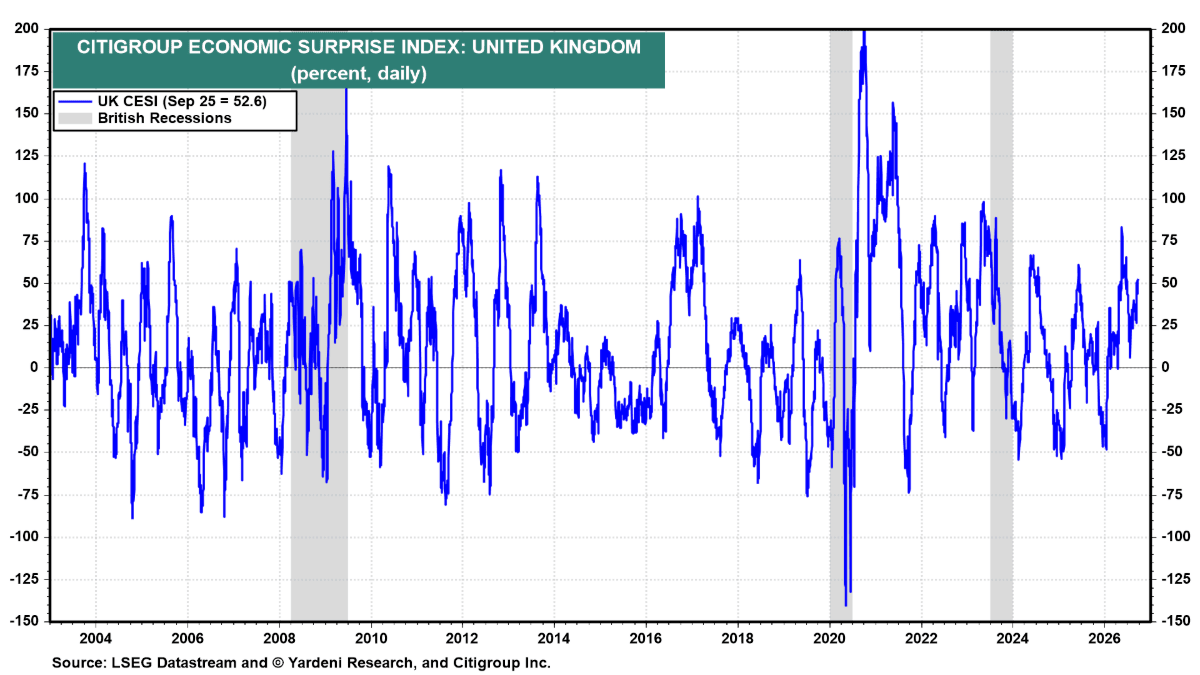
Above: Citi's UK Economic Surprise Index has been positive in 2026.
In each of the past several years, the second half brought a fade that the data then confirmed; this year the fade keeps failing to arrive.
"Firms continue to demonstrate a willingness to plough into capital, with business investment leaping by 1.7% quarter-to-quarter in Q2," says Rob Wood, Chief UK Economist at Pantheon Macroeconomics. "We think the Q2 data show a relatively healthy mix of growth, and leave the economy in a good place heading into Q3."
"We still expect quarter-over-quarter growth to slow in H2 as changing seasonal patterns exert their drags and the weakness of the labour market weighs on household incomes. However, the gain in GDP in June and the possibility of a sustained tailwind from AI infrastructure investment skews the risks towards a better outcome," says Andrew Wishart, UK Economist at Berenberg.
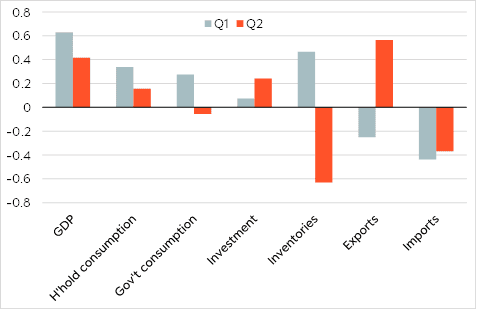
Image courtesy of Berenberg.
The inflation picture completes a supportive mix, with three consecutive downside CPI surprises giving the Bank of England room to stay patient.
However, inflation at 2.8% is anchored above the Bank's 2.0% target and economists think inflationary pressures will pick up again in the short-term.
The labour market is meanwhile stabilising, which will boost the confidence of Monetary Policy Committee members who are minded to vote for rate hikes.
An economy outperforming with a central bank holding optionality is a constructive backdrop for the currency, whatever the near-term rate pricing says.
2) Burnham is Too Cautious to 'Break the Budget'
A lot of institutional thinking revolves around a difficult budget, which is slated for the end of October.
To be sure, the budget will be difficult, but up until now Burnham has shown noticeable fiscal caution and will know that doing too much is very counterproductive politically.
His tenure has so far been characterised by small giveaways that hit the headlines comfortably but don't actually shift the fiscal dial: a VAT cut on electricity bills, a bus fare cap, a business rates reduction for pubs.
When pressed on bigger commitments, his answer has been consistent: "no commitment, no unfunded promise".
He has also had his lesson: gilts and the Pound fell in tandem within days of him taking office when he first floated fiscal 'flexibility', and his own Treasury officials are reported to be 'alert' to the risk of pushing further.
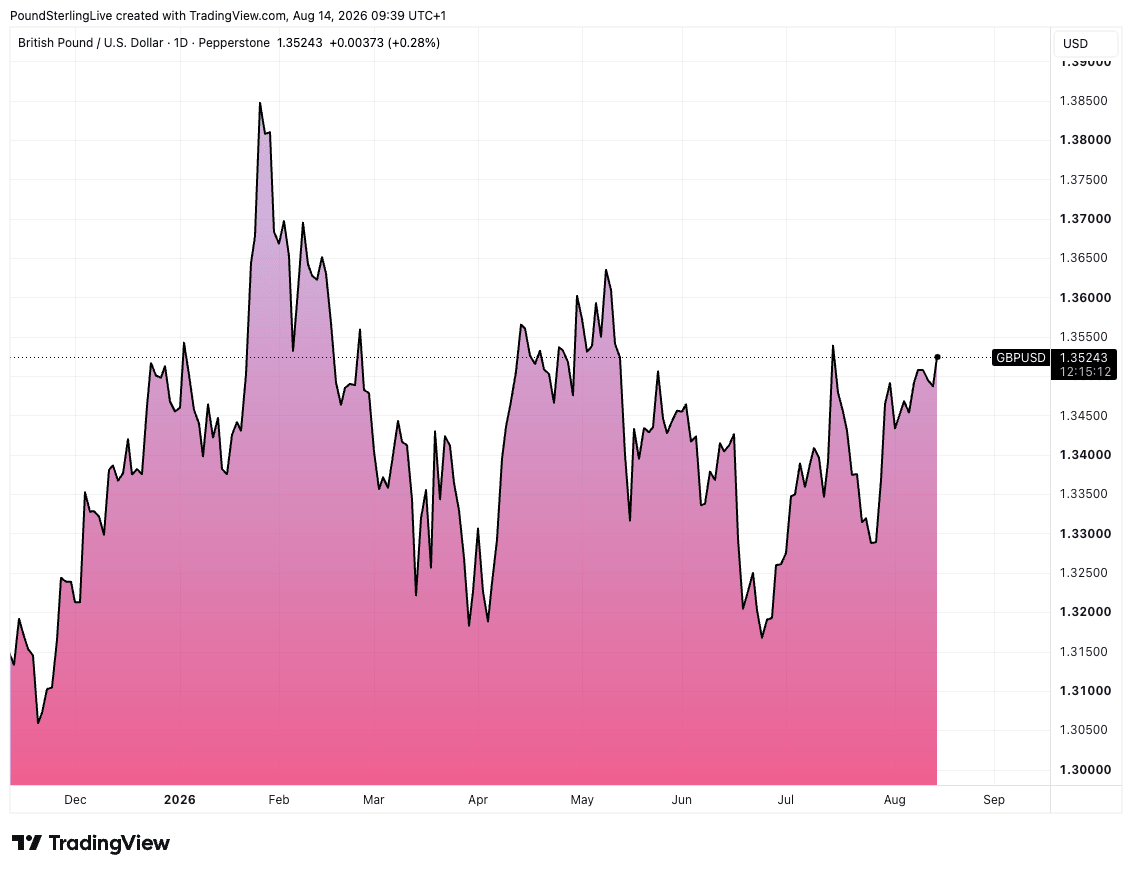
Above: Pound to dollar at daily intervals.
A Prime Minister who watches the bond market, fronted by a Treasury that acts as an institutional brake, is unlikely to deliver the catastrophic budget the GBP bears require.
The market could therefore welcome a fiscally neutral budget on October 28 that further dissolves any GBP risk premium.
Here the consensus positioning works in Sterling's favour: with the institutional community braced for trouble, a benign budget forces a repricing, and the asymmetry around the event favours the Pound.
The Pound Sterling Live House Call
As such, we think the Pound can end the year higher than it currently is against both the Euro and the Dollar.
We are not alone on every count, with Lloyds Bank's forecasts also pointing the Pound-to-Euro rate higher into year-end.
The risks to the view are a genuine fiscal misstep in October, a renewed and sustained energy shock that forces the inflation question back open, and a global risk event that hits the Pound through the sentiment channel.
Absent those, the data argues the economy is fine, the politics argue the budget disappoints the pessimists, and the Pound enters year-end with both its supports intact.
The Risk: An Early Election
Politics is seemingly never too far off for the pound: the ejection of Keir Starmer as Prime Minister just two years after his stonking election victory is testament to that.
Our GBP radar now shows a risk of a potential early election as Starmer's replacement, Andy Burnham, looks to capitalise on his early popularity and seek his own mandate to lead the country and introduce new policies.
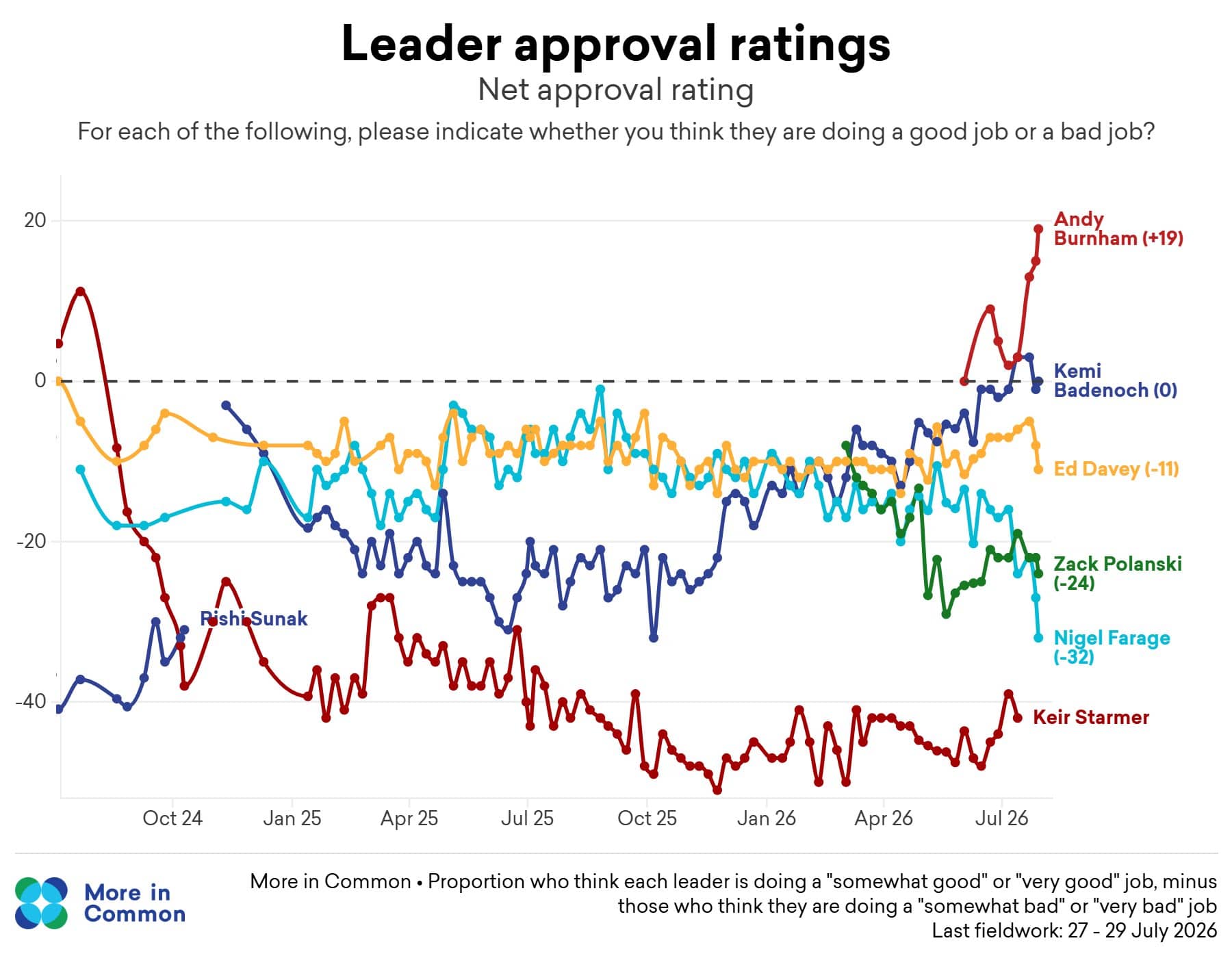
The evidence points to a poll in spring 2027; everything Burnham has done since taking power has been done through the lens of a campaigner: it's been a series of little giveaways that attract glowing headlines but are too small to shift the fiscal calculus.
Only a campaigner with a short-term scope does this, and it makes sense: Burnham was not elected on the current Labour Party manifesto, and his personal manifesto of 'Manchesterism' is hemmed in by the constraints of Keir Starmer's promises.
Josh Glancy in the Times and Dan Hodges at the Mail have both written articles today that predict Burnham calling a General Election next spring.
Elections naturally imply a rise in political uncertainty as significant changes in tax policy, spending, debt and economic growth rest on the result.
For the pound, history clearly shows that it tends to underperform when political uncertainty is high: businesses and households sit on their hands in anticipation of the new regime, delaying spending outlays and for an economy that relies heavily on spending, that's a drag.