Image copyright: Bank of England
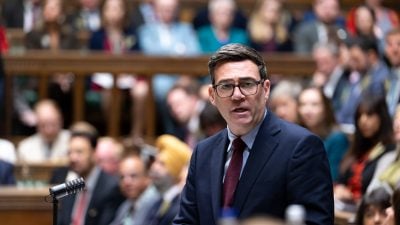
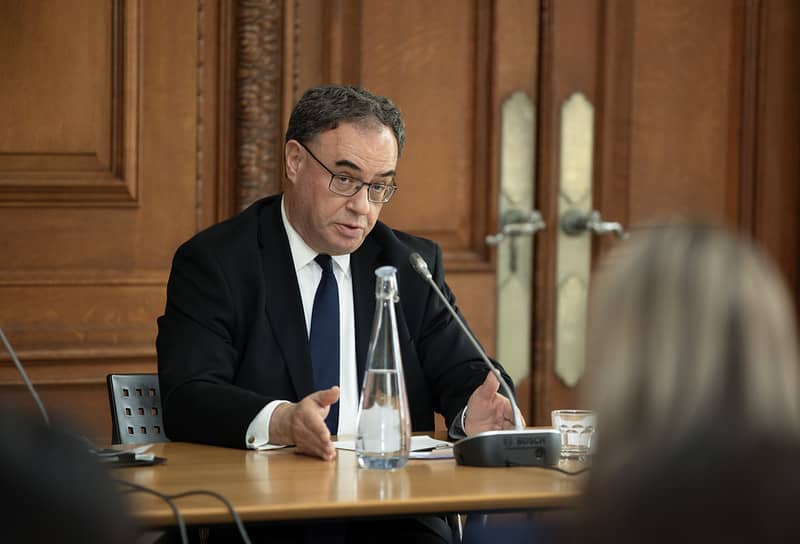
Bank of England Governor Andrew Bailey lays the scene for a rate hike on November 05.
Bailey warned Friday that sustained high energy costs will put immense pressure on the Monetary Policy Committee (MPC) to abandon its current wait-and-see posture and consider lifting borrowing costs at upcoming meetings.
"It's going to get harder to maintain that stance the longer we have high energy prices for," Bailey told the Monetary Economics Conference hosted by the University of Oxford.
"We can't, as monetary policymakers, wait to get the full evidence on the second-round effects to make that call because it's going to be too late."
The comments come as UK bond yields sit at multi-decade highs, with the two-year bond yield, which is particularly tied to Bank Rate expectations, sitting at 4.86%.
Expectations for a higher Bank Rate feed into longer-dated bonds, with the mortgage-relevant 5-year bond at 4.94%, having reached its highest level in 18 years earlier in September at 5.35%.
Money market pricing, as per overnight swap markets, meanwhile shows traders are now positioned for four to five quarter-point (25 bps) rate hikes over the next year.
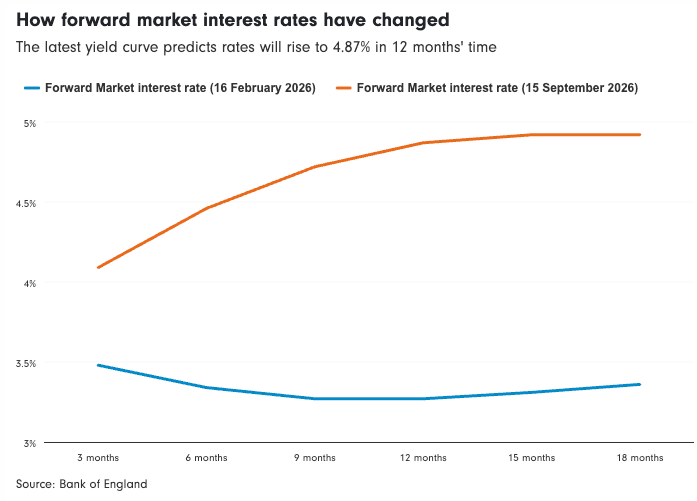
Above: Market pricing for Bank Rate over the coming year. Image courtesy of Fidelity.
The Bank in September maintained Bank Rate unchanged, but it's increasingly clear that reality will soon bite.
Bailey and Deputy Governor Dave Ramsden both raised the possibility of higher rates in the minutes of that meeting, having voted to hold.
Only two of the four internal members currently voting to hold, Bailey, Ramsden, Clare Lombardelli and Sarah Breeden, need to switch for a November hike to carry.
Lombardelli and Breeden used speeches this week to signal they are close to doing so.
"The larger and longer the shock, the more likely it is that we'll see the material second-round effects that policy needs to respond to," said Breeden, who added that it would be "increasingly appropriate" to respond by raising interest rates.
Lombardelli set out four channels through which the energy shock could reach inflation and said she would vote to hike at some point unless energy prices fall sharply or there is clear evidence of disinflation and weaker activity.
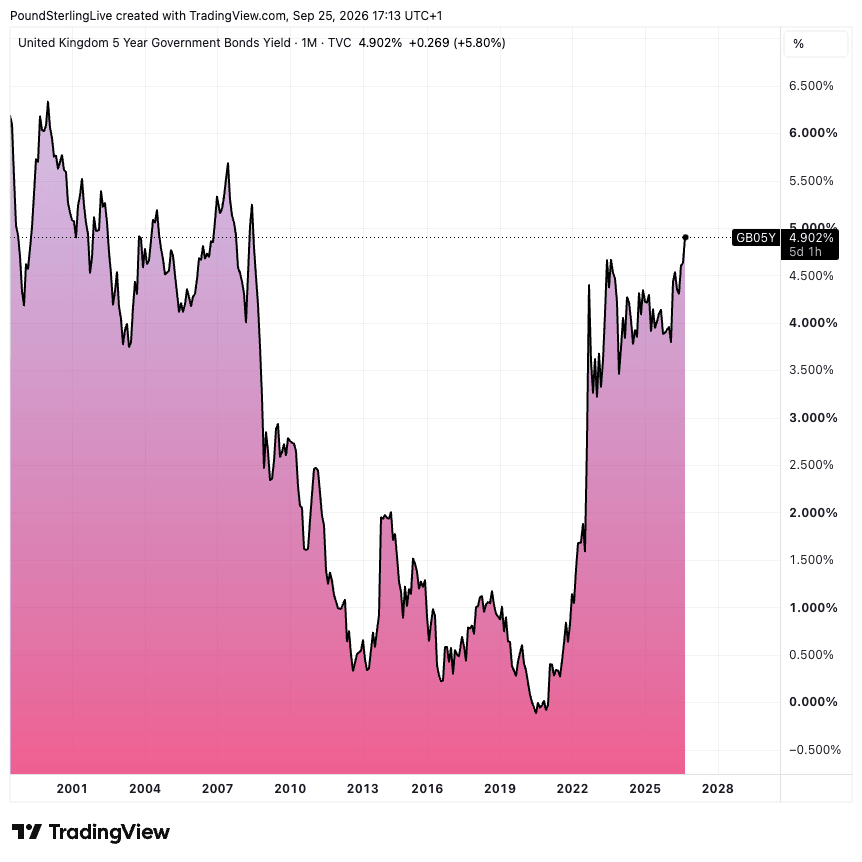
Above: The mortgage-determining 5-year bond yield.
External member Swati Dhingra offered the dissenting view, saying the MPC was justified in holding its ground because UK demand is weaker than in the U.S. and financial conditions are tighter than in the Eurozone.
Investment bank analysts have moved decisively behind a November move.
"MPC speakers this week have reinforced our sense that a hike in November is likely: we continue to expect 25bp rate hikes in November and February, taking Bank Rate to 4.25%," says Henry Cook, Senior Economist at MUFG.
Oxford Economics says a November hike now looks almost certain, with a further increase in December or February likely, and that the implied probability of a November move has held above 90% even though oil has fallen around 5% since the September MPC meeting.
Deutsche Bank frames the coming moves as insurance against pass-through that has yet to arrive.
"This isn't 2022. Pass-through remains limited. But there are some signs of emerging price pressures," says Sanjay Raja, Chief UK Economist at Deutsche Bank.
Bailey's Friday comments made it clear that he is worried that pass-through risks are building.
Next week's Decision Maker Panel survey is the evidence Bailey says the Bank cannot afford to wait for, with Deutsche Bank expecting firms' prices charged to edge up to 3.9% on a three-month basis and one-year-ahead CPI expectations to rise to 3.2%.
Rate Hikes Have Not Rescued Sterling
Higher rates would ordinarily attract inflows into a currency, and yet the Pound fell to two-month lows against the Euro and Dollar this week.
The pound-to-euro rate trades at 1.1619 and the pound-to-dollar rate at 1.3232, with the October 28 Budget now the dominant consideration for currency markets.
August borrowing of £18.3bn left the current budget deficit for the first five months of the fiscal year almost £5bn above the Office for Budget Responsibility's forecasts.
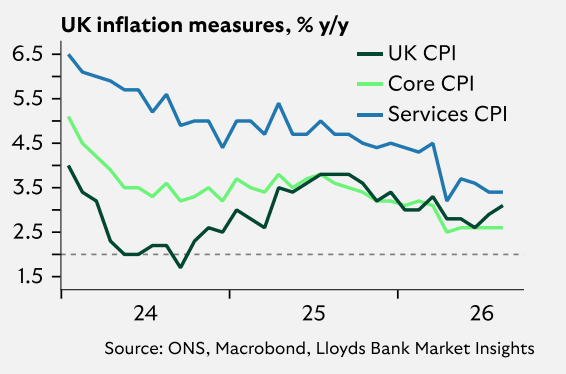
The risk is that disinflation has stopped, well above the Bank's 2.0% target.
Oxford Economics calculates that higher debt servicing costs alone will remove around £10bn of Chancellor John Healey's £23.6bn headroom, while MUFG pencils in a deterioration of roughly £15bn.
"That certainly seems risky in this market, although not necessarily fatal provided that the overall package is credible, transparent and leaves the deficit on track to improve," says Cook of reports that the Treasury will accept lower headroom.
The rate hikes Bailey is preparing the ground for arrive alongside an inflation peak above 4% early next year, which Oxford Economics expects to squeeze consumer spending and hold GDP growth to 0.6% in 2027.
That combination of higher borrowing costs and weaker growth is why Sterling is struggling to convert hawkish repricing into gains, leaving the Budget as the event that decides whether a November hike supports the Pound or compounds its losses.