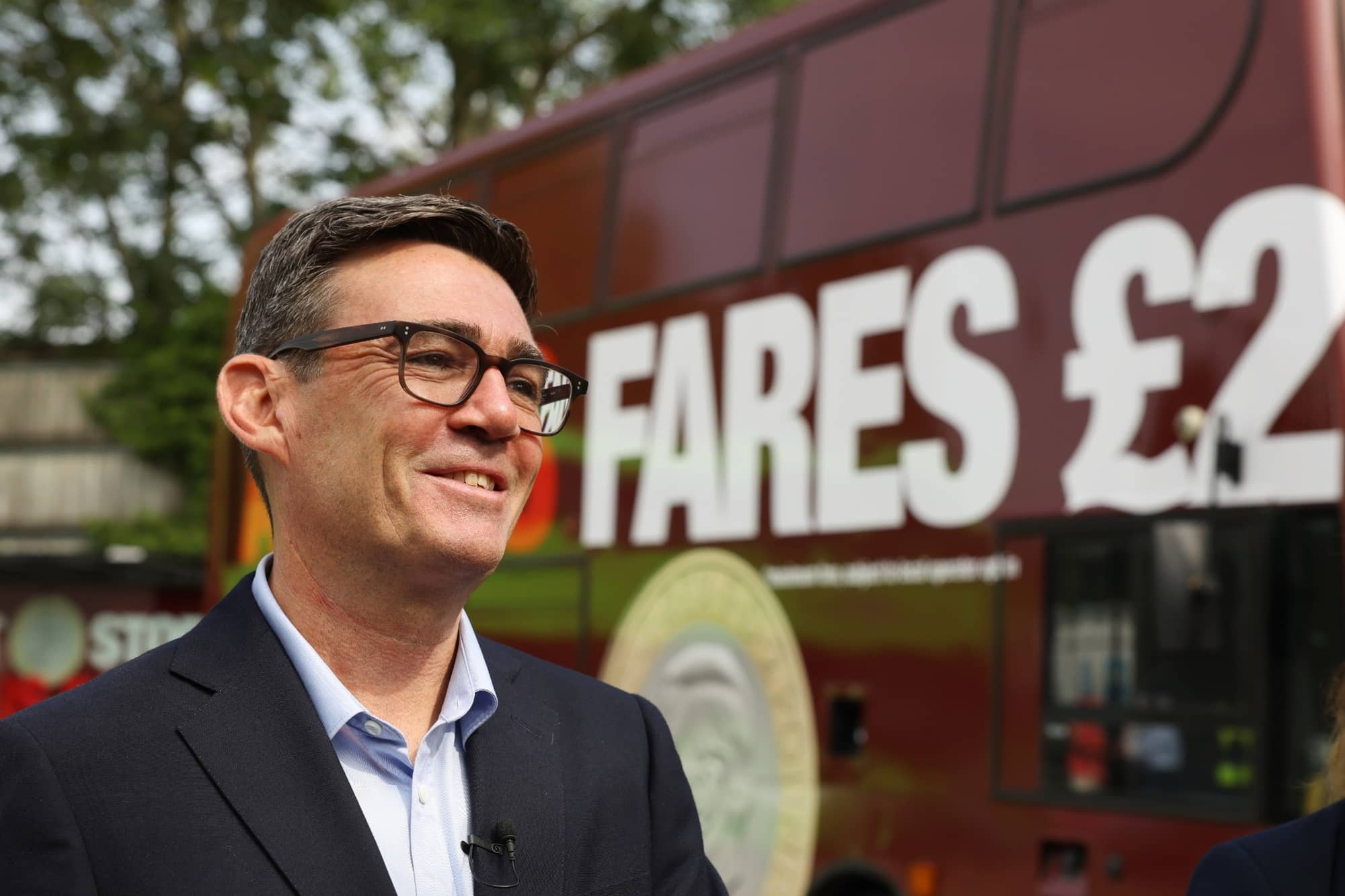
Andy Burnham. Image: Gov.uk
Pound sterling's summer lull could be the start of a more durable decline, according to Rabobank.
The pound-to-euro exchange rate is entering a sustained downtrend, leading it to ultimately surrender the bulk of this year's advance, show new forecasts from Rabobank.
The new projections suggest the exchange rate peaked at 1.1820 in July and a steady fall through the remainder of 2026 and into next year awaits. The call comes with the pound now registering as the third worst performing G10 currency of the past month, behind only the Swiss Franc and the U.S. Dollar.
"This performance may in part be a function of pared back expectations regarding BoE rate hikes. It also likely reflects a measured response by markets to new UK PM Burnham," says Jane Foley, Senior FX Strategist at Rabobank, in a new research note.
Within days of the UK's leadership handover, Foley warned the Pound's Burnham honeymoon could prove short-lived, and the month since has traced that script almost exactly.
The Circle That Can't Be Squared
Rabobank warns of a difficult arithmetic confronting the government ahead of the autumn budget, now confirmed for October 28 and to be delivered by Chancellor Healey.
Burnham has promised growth in every postcode, announced early giveaways including the removal of VAT on household electricity bills, and simultaneously pledged to adhere to the fiscal rules set by former Chancellor Reeves and to a manifesto that rules out tax rises on workers.
"The question that has been left hanging is how Burnham plans to pay for his plans," says Foley.
The emerging answer is definitional creativity: "Press reports suggest that the government will seek to re-define spending on infrastructure or equity in companies as 'assets' which would reportedly hand the government another GBP 9 bln," she says.
The Bank Consensus, Without the Terminal
The median, mean, highest and lowest from the October survey update, plus named point forecasts out to 2027.
Free information pack, issued by World Wide Currencies.
Markets may forgive the manoeuvre if the money funds genuine medium-term growth, but Foley warns it still implies scope for greater gilt issuance, which could weigh on gilt prices and unsettle the Pound.
The bond market has already demonstrated its sensitivity on this front, having sold off alongside Sterling within twenty-four hours of Burnham taking office when the Prime Minister first floated fiscal rule 'flexibility'.
With Parliament in recess until September, political newsflow should stay sparse, but Foley cautions that budget details seeping out over the summer could be setting up both the gilt market and the Pound for friction into the autumn.
Too Many Hikes Still Priced
The second leg of the bearish case being built against the British pound is that markets continue to overestimate the Bank of England's willingness to raise interest rates.
The market sees at least two rate hikes by 2027, but these rate hike expectations are closely tied to energy, and news of progress towards an agreement to reopen the Strait of Hormuz has relieved inflationary fears across the board, yet Foley judges the residual pricing for a UK hike by year-end "is still too aggressive."
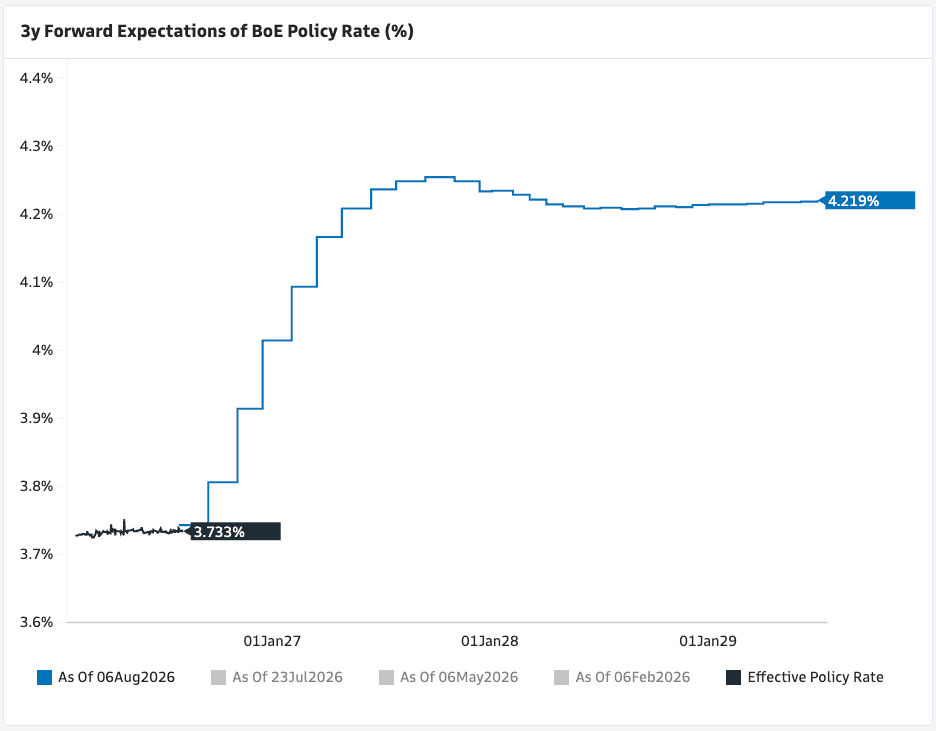
Above: Market-implied rate hike projections for the UK.
Three MPC members voted to raise rates in July, but Rabobank anticipates a high bar to further members moving camps.
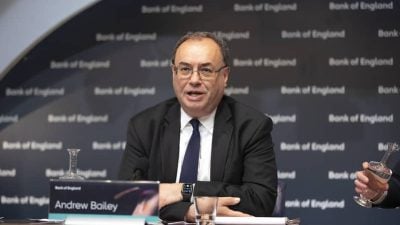
"Indeed, Governor Bailey last week set out three disinflationary reasons that he expects will push back against the risk of second order price effects," says Foley, citing slowing services inflation, weaker household demand and a looser labour market.
"In our view, the Bank is likely to keep interest rates on hold for the remainder of the year."
UK hike pricing for September sits far below equivalent odds for the ECB and the Fed, and the UK-German two-year yield spread that powered July's Sterling rally has compressed to 2026 lows as European hike bets build.
A Pound stripped of its yield advantage while its fiscal risk premium rebuilds is the combination Foley's forecast profile describes.
The Forecast Levels That Matter
What does this mean for the pound?
"We favour buying EUR/GBP on dips to the 0.8550 area. A break above the recent high in the 0.8588 region could increase upside potential," says Foley.
In Pound-to-Euro terms, that amounts to selling Sterling rallies towards 1.1696, with a fall through 1.1644 signalling the downtrend is gathering pace.
Rabobank forecasts the Pound-to-Euro rate at 1.16 on a three-month view, 1.14 in six months, and 1.13 by this time next year, implying the Pound surrenders the entirety of its 2026 advance.
Not everyone is on this side of the boat: Lloyds Bank's forecasts point the Pound-to-Euro rate north of 1.20, judging that yields will stay more sensitive than politics and can stabilise the currency.
Between those two views sits the October 28 budget, which increasingly looks like the event that will decide whose forecast survives the autumn.
The Bank Consensus, Without the Terminal
The median, mean, highest and lowest from the October survey update, plus named point forecasts out to 2027.
Free information pack, issued by World Wide Currencies.