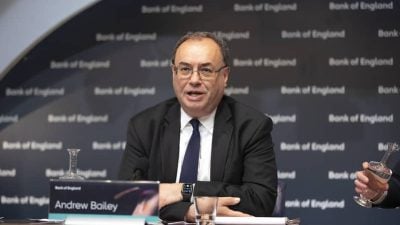
A rise in oil prices are most likely behind the move in GBP/EUR. Image © Adobe Stock
Pound sterling recovers most of the previous day's losses against the euro.
The pound-to-euro exchange rate saw some solid buying interest in late London trade to put Thursday's selloff in the rear-view mirror.
The pair moved to 1.1657, having been as low as 1.1615 some 24 hours earlier, with a strong bid coming through in late afternoon.
This price action means the pair has largely set aside the previous day's selloff, endured in the wake of the Bank of England's policy decision, where interest rates were left unchanged.
Casting an eye around for causes draws us to the bond market, where we've seen another selloff in global bonds, which has, in turn, pressured bond yields higher.
Below we see the pound-to-euro plotted against the UK two-year bond yield, showing the positive correlation and steady rise through London PM trade:
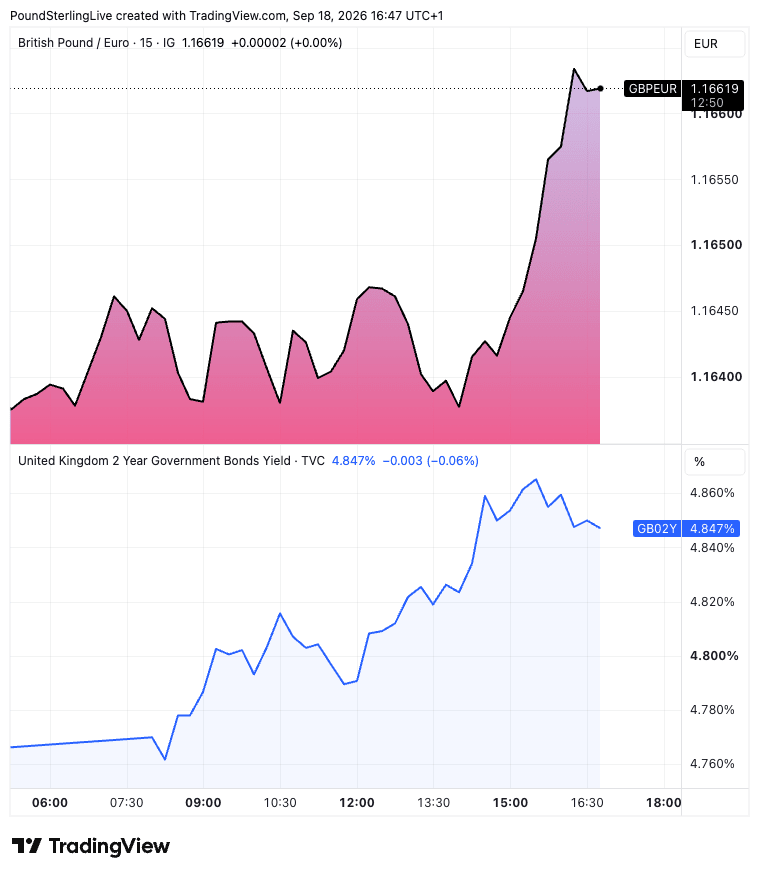
Bond yields are rising in other developed markets, so this is a global phenomenon.
And the reason for the rise in global yields? Oil prices are on the move again.
Below is the cost of Brent oil plotted against the UK two-year bond yield.
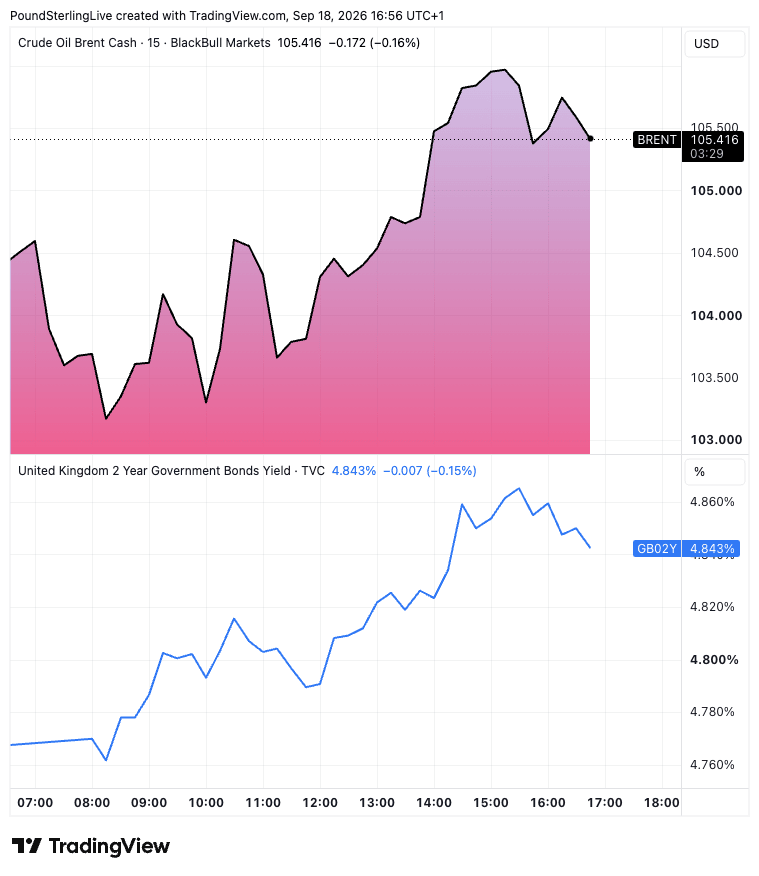
We don't see anything alarming flashing on the newswires, but note fresh headlines about Saudi oil supplies to European and Indian partners being suspended from next week, a symptom of the previous week's Houthi attacks on Saudi oil pipelines.
So effectively, we're getting more of an understanding of the real-world repercussions of the attack, and that's feeding into bond market dynamics and currencies.
Since the Middle East conflict began, we've noted the GBP/EUR tends to rise alongside oil prices, which suggests the market thinks Europe is more prone to higher oil and gas prices than Britain. Understandable since they still have a manufacturing base and we don't.