
Image © Adobe Images
GBP/AUD is compressing into the apex of a triangle, and a heavy Australian data week should force the break.
The pound-to-australian-dollar exchange rate has spent six weeks compressing into a narrowing triangle, with each swing smaller than the last, and the pattern is now close enough to its apex that the coming week's data should decide which way it resolves.
The pattern is built from a falling line of highs drawn off the July peak and a rising line of lows drawn from June, which describes a market where neither side has been able to press an advantage since sterling's mid-July top.
From a tactical perspective the triangle indicates the market is storing energy, much like a coiled spring, and the release could bring some renewed energy.
The Australian calendar supplies some the likely triggers: consumer sentiment on Tuesday, the wage price index on Wednesday and the labour force survey, the week's marquee release, on Thursday.
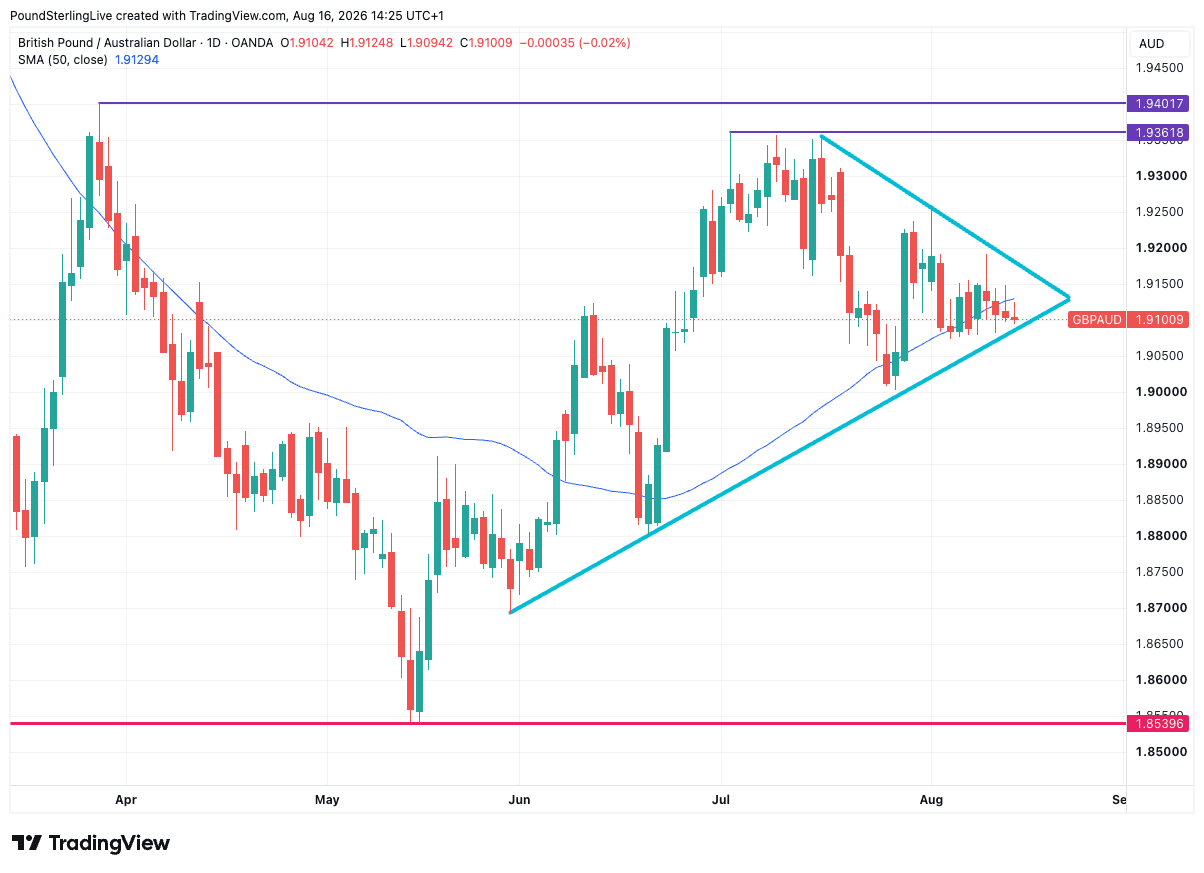
Above: GBP/AUD daily chart showing the triangle formation. Image © Pound Sterling Live, chart created with TradingView.
Spot at 1.91009 sits fractionally below the 50-day moving average at 1.91294, with the market having criss-crossed that average repeatedly through the triangle's formation, which is typical of a coiling market and robs the line of its usual signal value until the pattern breaks.
The triangle's boundaries are the descending line from the July high, currently arriving near 1.9150, and the rising line of lows, now passing through the 1.9050 region, leaving barely a hundred pips of room before the market is forced to choose.
Beyond the pattern, resistance stands at 1.93618 and 1.94017, the band that capped the market in July and, before that, in the spring.
Support beneath the triangle's floor is the early August low near 1.9000, and beneath that the May low at 1.85396.
The textbook read gives a mild edge to the upside, because the triangle has formed after a rally from the May lows and continuation patterns more often resolve in the direction of the preceding move, but a coil this mature is better traded on its break than predicted.
Our Pound-to-Australian Dollar forecast for the week is for the triangle to break, with a daily close above 1.9150 targeting 1.9250 and a close below 1.9050 opening the door to 1.9000 and lower.
Taking a step back and assessing the medium-term picture, the exchange rate remains rangebound between 1.85396 and the 1.9360 to 1.9400 resistance band, and the resolution of the existing triangle pattern will decide which end of that range gets tested next.
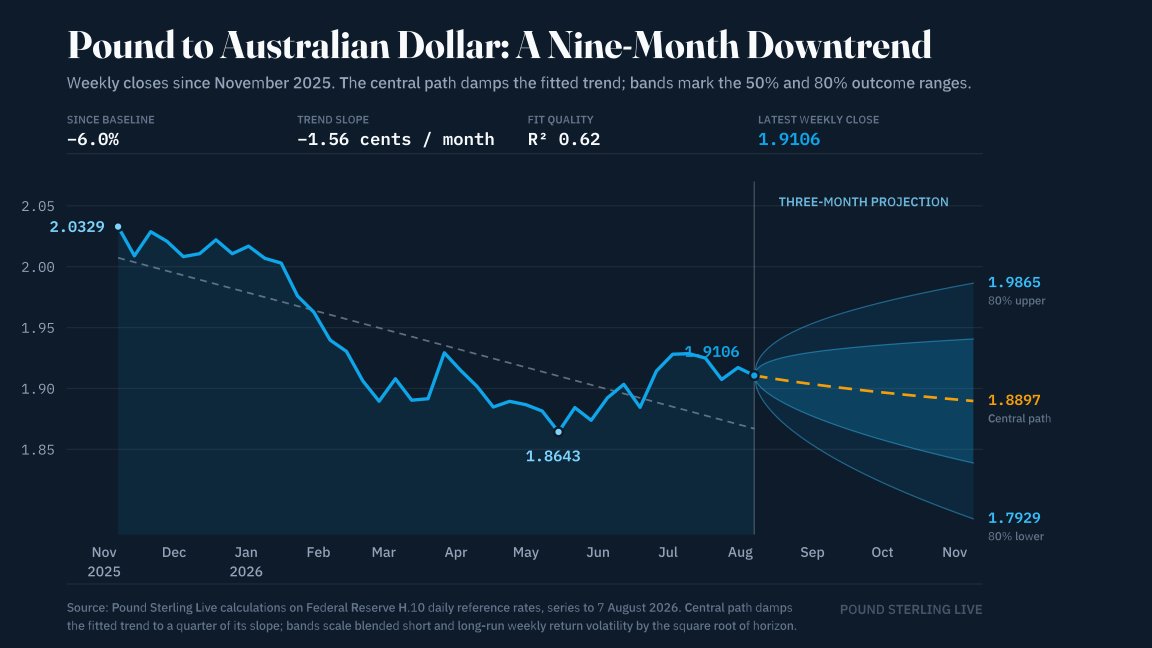
A Data-Heavy Week for the Aussie
The Australian Dollar's week is dominated by the labour force survey, the second-quarter wage price index, Westpac-MI consumer sentiment and inflation expectations.
Tuesday's consumer sentiment is tier-two in nature and will not necessarily move the currency, though it feeds into how the Reserve Bank of Australia gauges inflationary conditions through the demand channel.
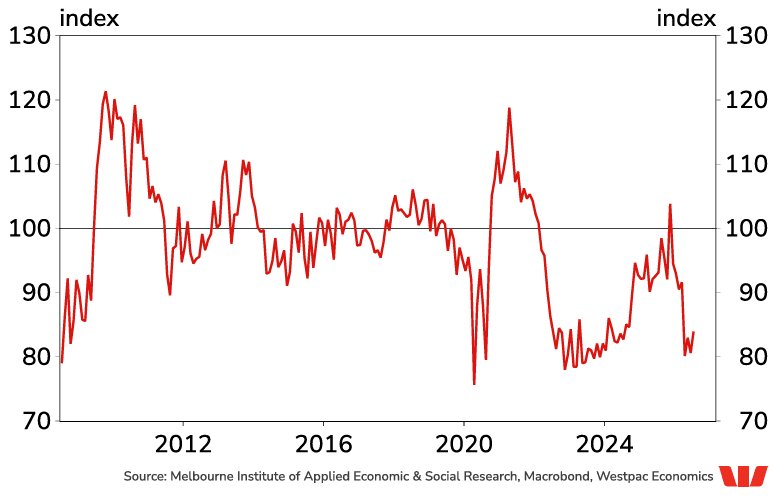
Sentiment rose 4.1% to 83.9 in July, but remains deeply pessimistic, ranking in the bottom 10% of outcomes across the survey's 50-year history.
"The improvement appears to reflect growing confidence that the worst-case scenarios around energy prices, interest rates and the labour market are not materialising," says a note from Westpac.
Wednesday's wage price index carries more weight, offering further colour on Australian inflation dynamics.
The market forecasts an increase of 0.8%, and anything firmer could lift the Australian Dollar.
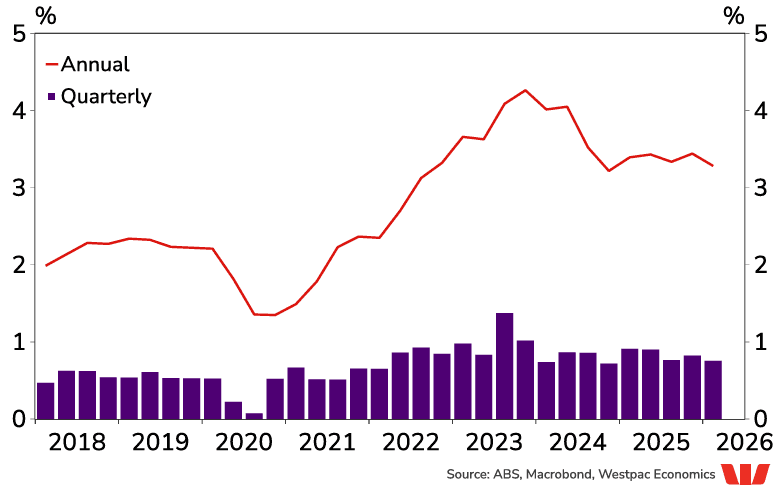
The index rose 0.8% in the first quarter, with private sector wage growth continuing to moderate to an annual 3.2%, the slowest pace of the cycle, and public sector wages easing back after gains driven by state-based enterprise agreements and aged care pay rises.
Thursday's jobs report is the marquee event, with a tendency to trigger short-term currency fluctuations.
The market looks for employment growth of 13.5K in July, down from 76.3K previously.
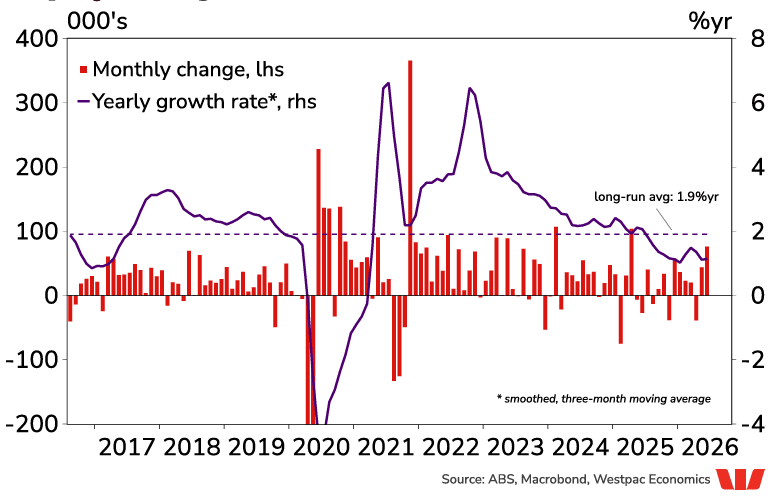
Context matters here: on a three-month average basis, employment growth is running at an annual pace of 1.1%, well below the long-run average of 1.9%.
"High inflation, recent interest rate rises and lingering uncertainty makes for a challenging hiring environment, as evinced by recent business surveys," says a note from Westpac ahead of the release.
The rule of thumb is that a better-than-expected outcome can shift the Aussie higher, and a downside miss would have the opposite effect, which for this cross means a strong Thursday print pressures the triangle's floor and a weak one sends sterling towards the ceiling.
The Aussie Fights With a Dormant Rate Cycle
The data lands on a currency whose rate support was dented at the last Reserve Bank meeting, when the Board voted unanimously to hold and the accompanying forecasts revised unemployment slightly higher across the horizon.
The Australian Dollar softened on the outcome, with the unanimity removing the dissenting hawk some traders had positioned for, though the Board wrote its trigger into the statement by committing to raise the cash rate further if upside risks materialise.

The Bank Consensus, Without the Terminal
The median, mean, highest and lowest from the October survey update, plus named point forecasts out to 2027.
Free information pack, issued by World Wide Currencies.
That leaves the hiking cycle dormant rather than retired, and it is exactly why this week's wage and jobs data carry more than their usual weight: they are the upside risks the Board named.
The bigger picture for this cross was set out by Commonwealth Bank last week, which sees sterling's upside as limited and running on borrowed time, with the Australian Dollar expected to turn the tables decisively from the first quarter of 2027.
The Aussie lender's near-term profile of drift rather than decisive movement fits the triangle on the chart uncannily well, and its forecast horizon is a reminder that whichever way this pattern breaks, the structural argument for the pair is increasingly contested.
Sterling has its own say on Wednesday, when UK inflation is expected to rise to 2.9% or higher, a print that would firm Bank of England rate hike bets on the same day as Australia's wage data and set up Thursday's jobs report as the tiebreaker.
For those with Australian Dollar payment requirements, a coiled market offers a practical framework: the pair is mid-range with the break pending, so orders can be structured around the triangle's boundaries rather than guessed in advance, and the medium-term Pound to Australian Dollar forecast stays neutral until 1.9360 or 1.8540 gives way.