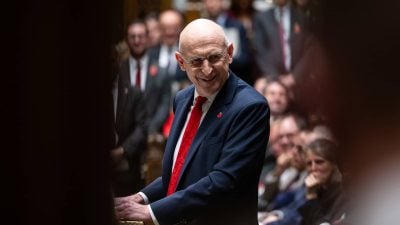

File image of the Bank's Chief Economist, Huw Pill. Image © Adobe Images
Pound sterling will keep its rate support if Bank of England policymakers follow through on signals that a single hike will not contain inflation, although a recent fall in oil prices gives the Bank room to slow down.
The pound rose against the euro, dollar and other currencies after the Bank of England raised interest rates to 4.0% on Thursday and several policymakers said further hikes are likely to be needed.
Traders had prepared for a 'dovish hike', in which the Bank would raise rates but push back against expectations for up to three further rate hikes in the coming months, as Pound Sterling Live reported in its preview of the decision.
Yet the details behind the decision are anything but dovish: the Monetary Policy Committee (MPC) voted 8-1 for the hike, with the sole dissenter, Catherine Mann, going all-in and voting for a larger move to 4.25%.
Arch-doves Alan Taylor and Swati Dhingra both backed the hike; many analysts we follow had expected the pair to vote for no change.
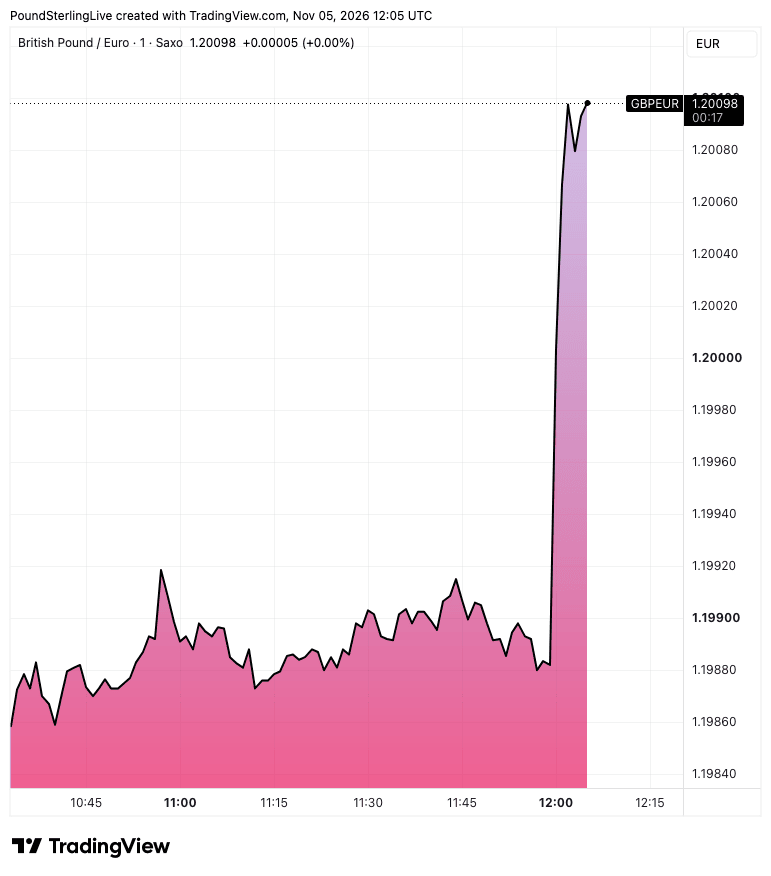
The market judged this to be on the 'hawkish' end of the spectrum of potential outcomes and sterling jumped on the details: the pound-to-euro exchange rate rose from 1.1988 to 1.2010 in the minutes after noon, within reach of the 30 October high at 1.2016.
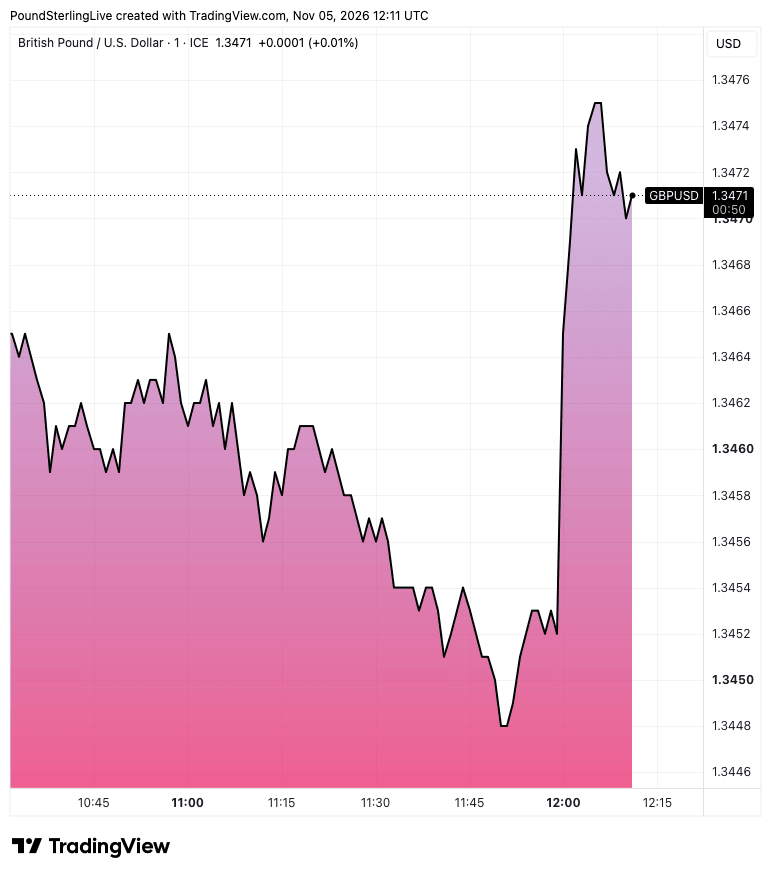
The pound-to-dollar exchange rate rose from 1.3452 to a high of 1.3475 and trades at 1.3471.
"The BoE's hawkish hike provided some support to the GBP. As we flagged, inflation is evolving broadly in line with the BoE's adverse scenario, prompting the Committee to act decisively. The door remains open to further tightening," says Jayati Bharadwaj, FX strategist at TD Securities.
The minutes covering the MPC's deliberations are instructive: "A single 25-basis point hike is unlikely to be sufficient," says Huw Pill, Chief Economist at the Bank of England.
"Additional hikes will likely be required going forward," says Megan Greene, an external member of the Committee.
Catherine Mann said, "an activist approach was needed to prevent persistent inflationary dynamics."
"MPC members rightly emphasised the importance of 'risk management' and 'credibility'. It is better to send a clear signal by getting ahead of the inflation risks now, rather than having to respond with even bigger rate increases later," says Julian Jessop, Economics Fellow at the Institute of Economic Affairs.
Deputy Governor Clare Lombardelli says there is likely to be a case for a further increase in rates in the near term.
Governor Andrew Bailey says he sees the argument for one more increase, followed by a more conditional approach.
Eye-wateringly High Inflation
In its latest round of forecasts, the Bank showed it now expects CPI inflation to rise to around 5% by the middle of 2027, up from 3.5% in September.
Bank staff project inflation at around 4½% in the first quarter of 2027, about 1¼ percentage points higher than at the time of the July Report.
The pound will hold its rate support for as long as the market thinks rates in the UK will remain higher than elsewhere, a premium that encourages capital flows into interest-yielding assets.
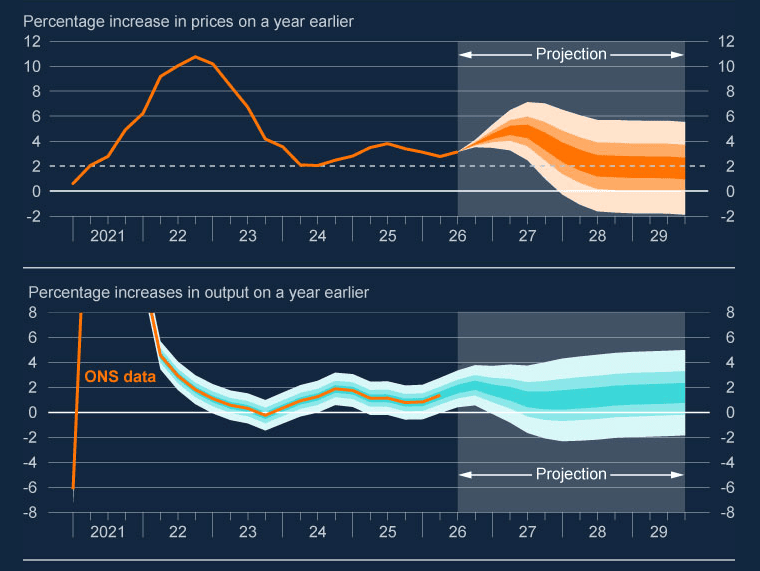
Above: The Bank's latest inflation and growth projections. Inflation won't fall to the 2.0% target until 2028.
However, some on the MPC were keen to push back against market expectations for further hikes: "as of now, this is not the start of a hiking cycle," says Alan Taylor, an external member of the Committee.
Taylor's argument might build some credence if oil prices come down further. The Bank's projections assume Brent crude at $108 a barrel, its average in the 15 working days to 27 October. Brent has since fallen below $94 on hopes of an earlier end to the war with Iran.
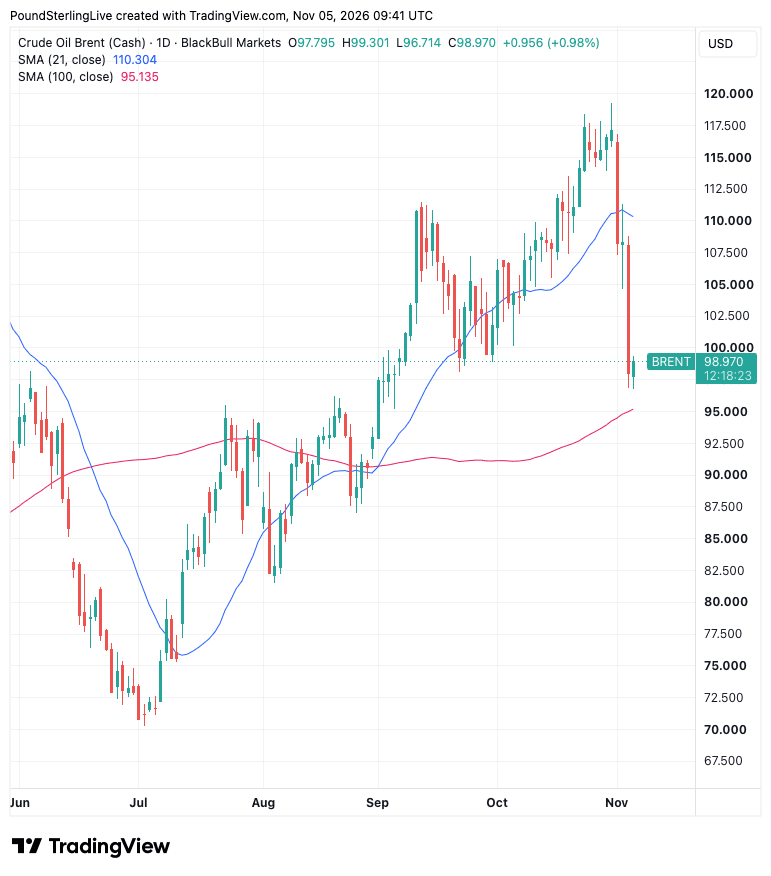
Falling oil prices argue against over-emphasising the urgency for further hikes.
Berenberg expects the Bank to hold in December, "if energy prices recede, we think that the BoE will hike just once," says a note from the German investment bank.
ING says it is too early to expect a significant low in EUR/GBP while high energy prices keep UK rate expectations elevated and French budget problems stay unresolved.
Pound Sterling Live continues to hold a constructive medium-term view on the pound's prospects; the economy is outperforming, the Bank is prepared to tighten further and the euro is undermined by French fiscal stress.
Sterling needs a close above the 30 October high of 1.2016 against the euro to open further gains ahead of the Bank's next decision on 17 December.