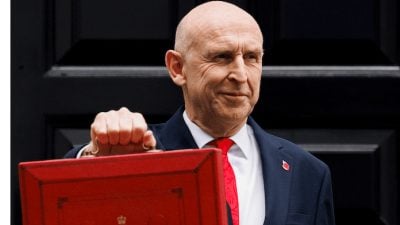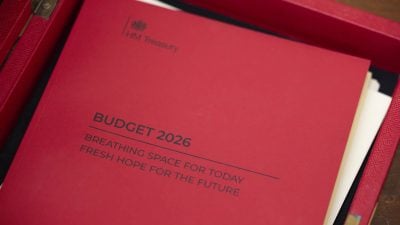
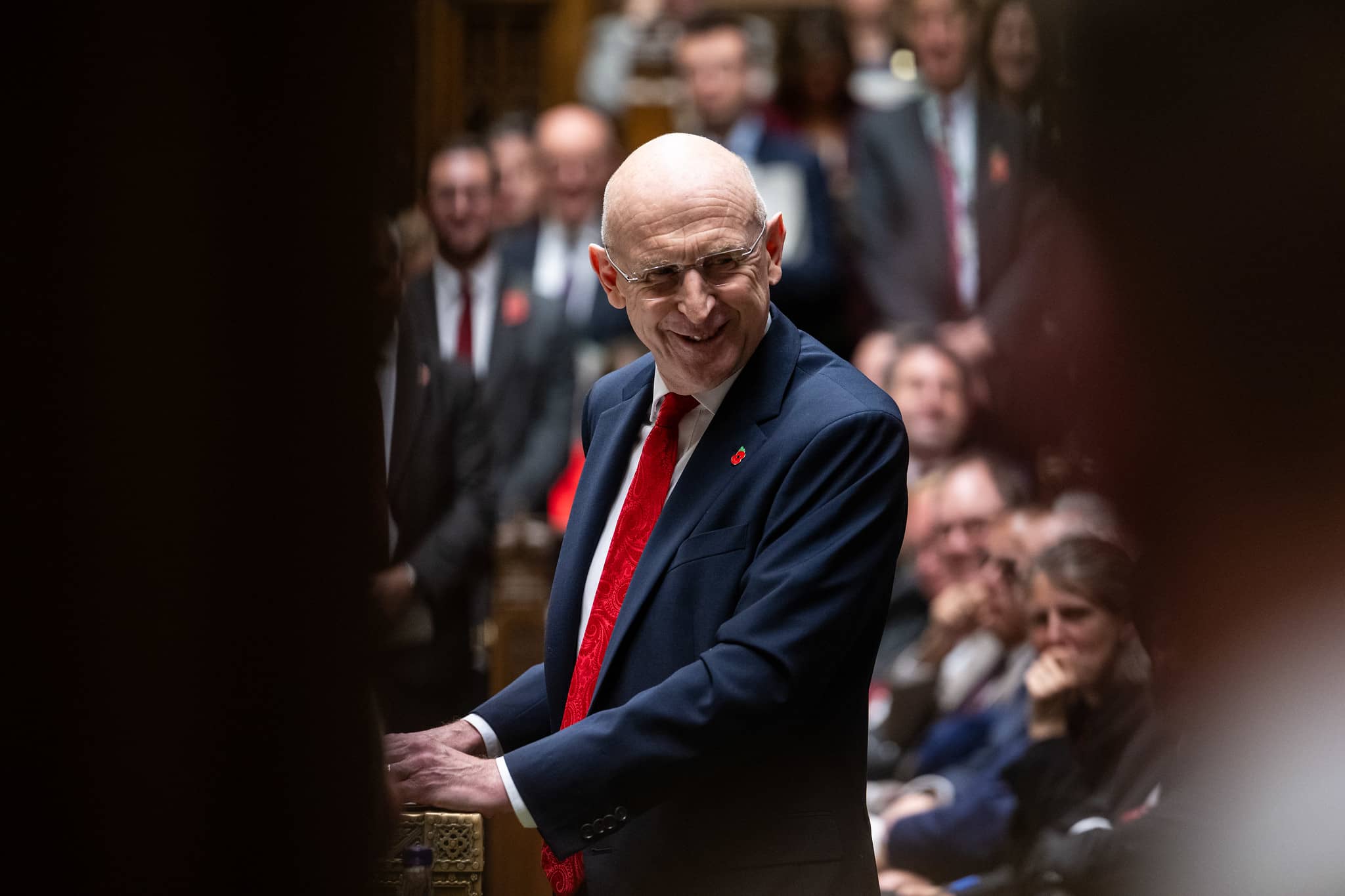
Image: John Healey delivers the budget: source and copyright: House of Commons.
The British pound is set for a constructive year-end against the euro, dollar and other currencies.
The 2026 budget confirmed the government will need to borrow more, but the market's response to the event shows traders judge the borrowing revisions to be low-key and broadly in line with expectations.
"The key initial takeaway for the gilt market, and GBP, is that the modest revisions to the financing projections will be taken as a positive," says Sam Hill, Head of Market Insights at Lloyds Bank.
UK gilt yields - a measure of borrowing costs - were stable following news that the Chancellor opted to rather eat into his £22BN headroom than launch a fresh tax and borrowing raid. The less-is-more approach was welcomed, but a lot will need to go right in the coming months if tax rises are to be avoided again next year.
The pound was softer on the day, but as Pound Sterling Live reported, that was more of a short-term 'sell the fact' response than a thumbs down of the event itself.
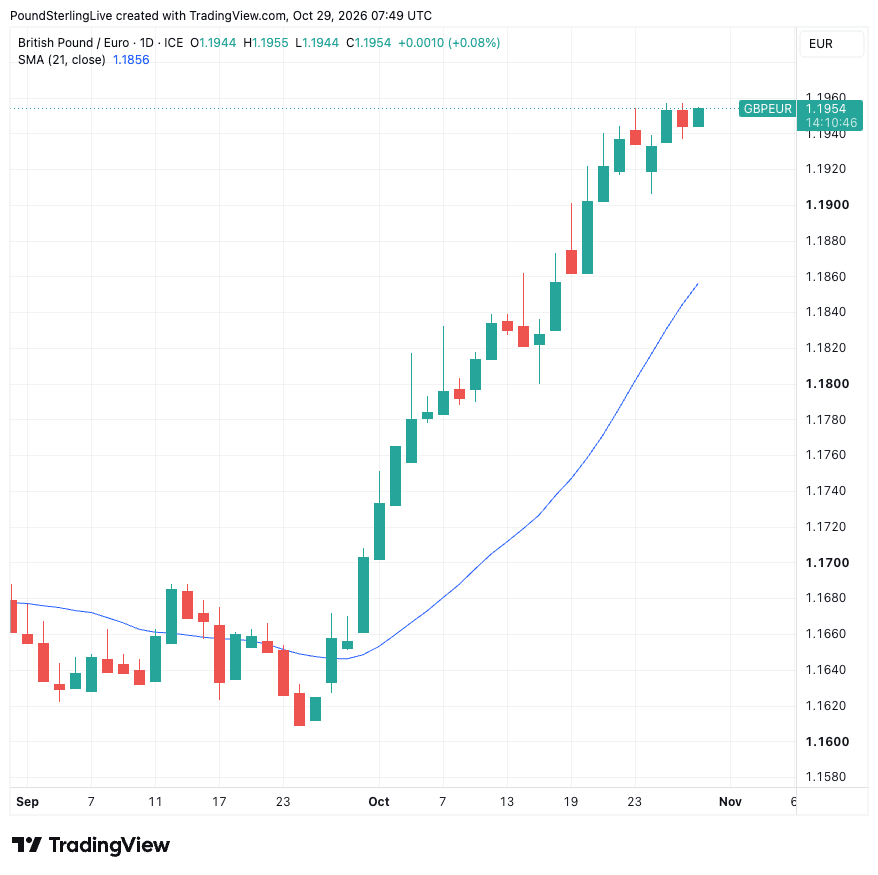
The pound-to-euro trades near 17-month highs at 1.1952 on Thursday, while the pound-to-dollar rises above 1.33020 following the overnight Federal Reserve policy decision.
"A continuity Budget with fiscal headroom upside potential pushes the pound's perceived fiscal risks to the background," says Lefteris Farmakis, analyst at Barclays. "This allows tailwinds from OAT stress, growth and the re-convergence with the EU to remain in the driver's seat for longer."
The GBP/EUR has been bolstered by the divergence in fortunes between the UK and France: where the UK was seen as being problematic from a debt sustainability perspective over recent years, France has certainly picked up that mantle in 2026.
Short-term Headwinds Encountered
Although the GBP setup is constructive, there is a near-term headwind in the form of overextended positioning.
"Stretched speculative longs pose near-term speed limits to further EURGBP downside," says Farmakis.
Goldman Sachs says its short-term fair value model has pound sterling as too richly priced against the euro, and a setback is therefore seen as likely.
"After a substantial premium compression over the summer, EUR/GBP remains well below levels implied by our cyclical GSBEER model, which we think limits Sterling’s upside potential on a market-friendly budget delivery," says the Wall Street bank.
GBP/EUR sits on course for its strongest one-month gain since 2023; 17-month highs offer corporates buying euros significantly improved value.
The daily RSI is overbought, and has been through October, making for the longest run of overbought conditions on the charts going all the way back to 2004.
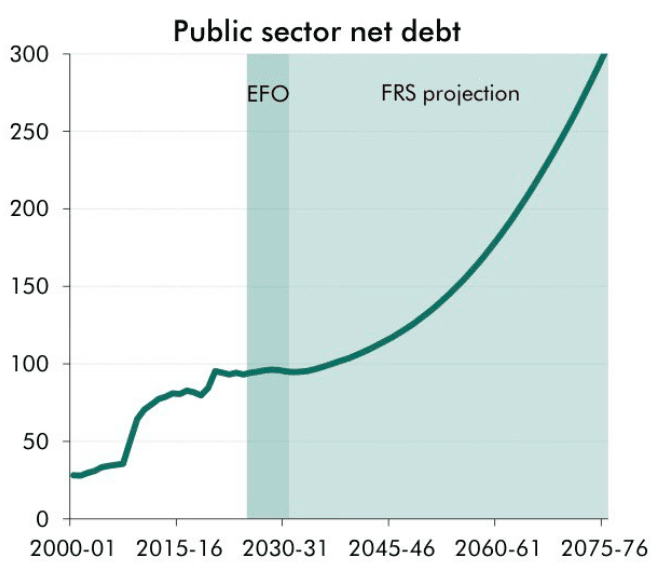
Above: The OBR forecasts the debt burden to surge in coming decades.
Pound Sterling Live Maintains a Constructive Medium-term Setup
Pound Sterling Live's House View expects the pound to retain support into year-end, based on the prediction that Andy Burnham would choose to play it safe in the budget.
We made the out-of-consensus call back in late July, and the safe budget reaffirms our stance for GBP outperformance. To be sure, there is some tactical opportunity to fade the rally in the near-term owing to overbought conditions, but weakness will be shallow and a run through 1.20 before 2027 arrives is our prediction.
Healey Can Breathe Easy, For Now
The do-nothing approach adopted by Chancellor Healey was always going to be the best outcome from a currency markets perspective.
And he largely did that: he allowed himself to utilise his budget buffer, allowing it to shrink from £24BN to £15BN.
"For the gilt market, though, the big sigh of relief will be that the government’s overall cash requirement was only revised up by a cumulative £19bn over the horizon from 2026-27 to 2030-31," says Sam Hill, head of market insights at Lloyds Bank.
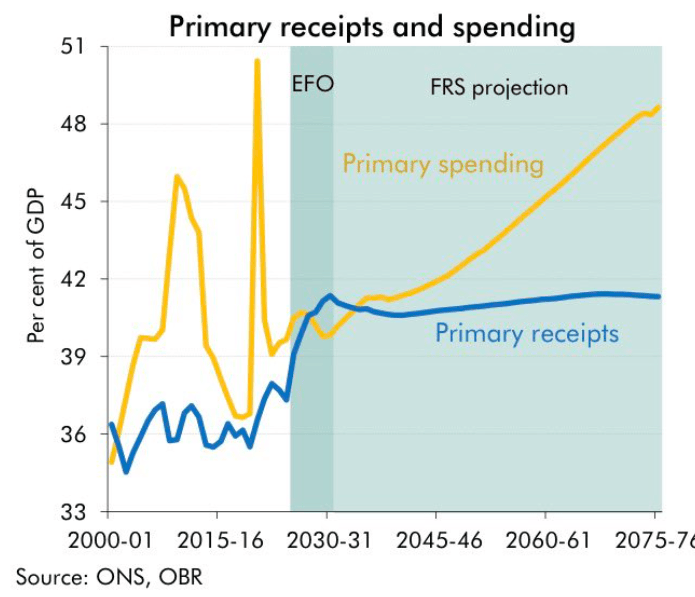
Healey meets the fiscal rules and still has a buffer to lean on. After all, what is the point of a buffer if it can't be used to absorb a crisis, such as that of the Middle East conflict?
"The gilt market found little to object to in Chancellor Healey’s first budget. Gilt sales were close to expectations and long-dated supply has been heavily reduced. However, hard questions on spending remain unanswered and the onus is now on the delivery of welfare reforms," says Moyeen Islam, a rates strategist at Barclays.
Barclays sees risks posed to Britain's finances by the Middle East, while there are unanswered questions on spending pressures, defence plans and public financial institutions, which have been delayed to next year.