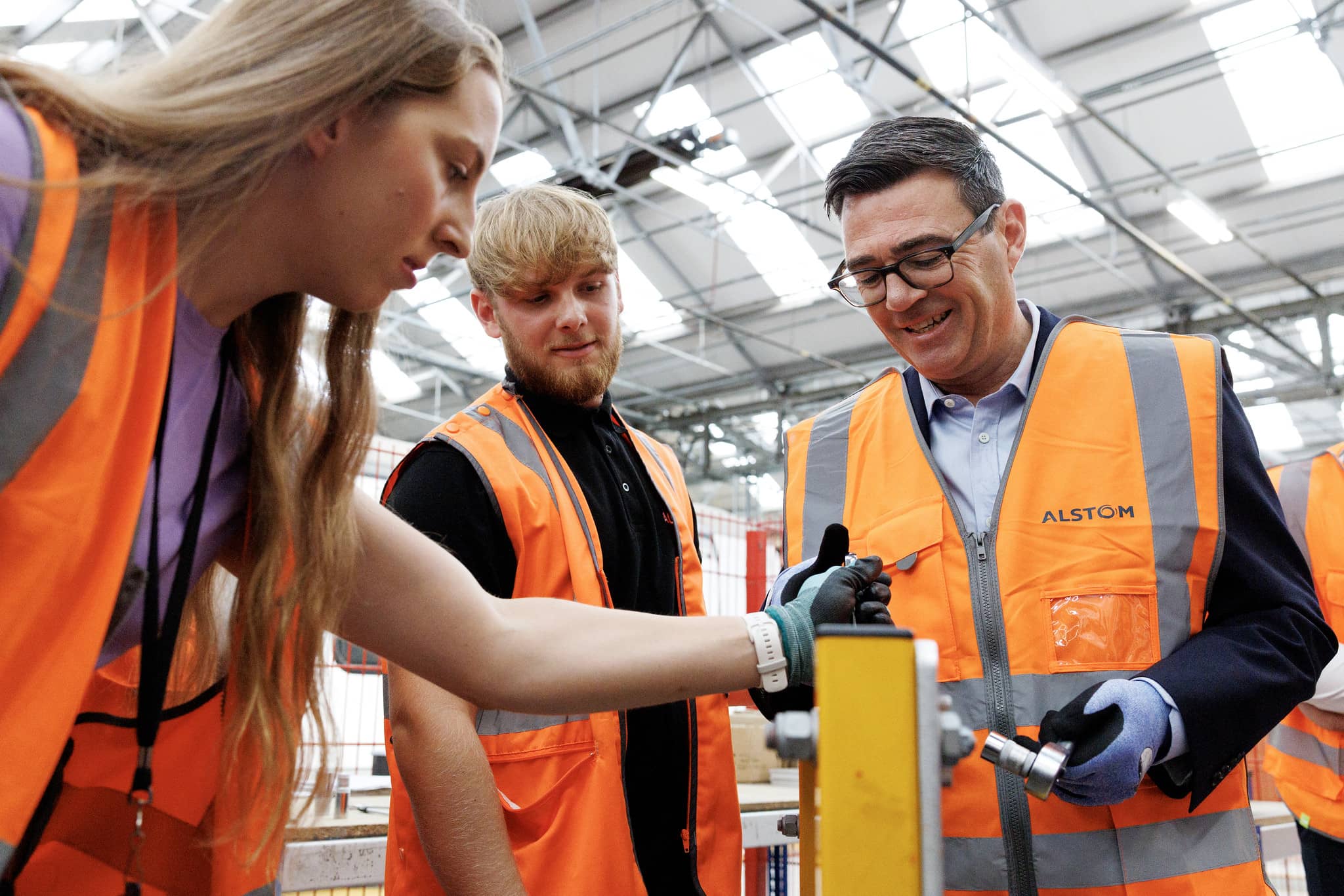
Picture by Lauren Hurley / No 10 Downing Street.
The British pound could struggle if tax hike fears chill businesses and households ahead of the Autumn budget.
Prime Minister Andy Burnham has indicated tax rises are likely in the Autumn, reports the Times newspaper on Tuesday, a development that points to a challenging few weeks ahead for the pound.
"The prime minister refused to rule out raising taxes to fill a hole in the autumn budget," says the report.
Speaking to ITV News, Burnham was directly asked whether he will have to raise taxes to fill a hole in the country's finances. He responded by saying, "I won’t be unrealistic and people need to understand that."
"We are in a challenging position. Whatever I do will be carefully thought through. It will be funded," he added.
'Funded' is the keyword here as it's shorthand for tax rises in fiscal parlance.
"Attention is firmly fixed on the likelihood of higher UK taxes, but with Burnham tied by the 2024 Labour party manifesto which promises not to raise taxes on workers, this reduces Healey’s options. While tax hikes could have growth limiting implications, they would at least protect the government’s fiscal rules and settle the nerves of the gilt market," says Jane Foley, Senior FX Strategist at Rabobank.
"It is likely that headlines around the size of the UK's fiscal hole, its fiscal rules, and potential need for tax rises return later this summer," says Shreyas Gopal, Strategist at Deutsche Bank.
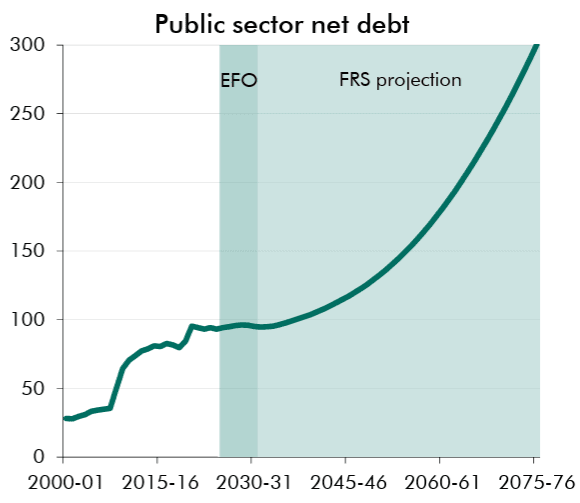
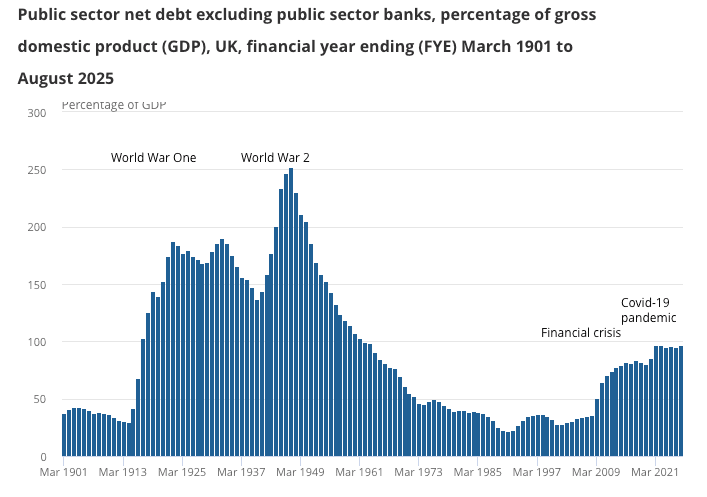
UK public sector debt is forecast to surge ever higher, placing significant restraints on the current and future governments.
There's a risk that households and businesses become more defensive as headlines of higher taxes increase in tempo in the coming weeks.
Should that weigh on activity and prompt financial market participants to rebuild a fiscal premium in UK debt markets, the pound could come under more pressure.
At the very least, sterling's summer rally against the euro and dollar is capped.
It's been a constructive summer for the currency: pound-to-euro is up 0.75% on a three-month basis and pound-to-dollar is higher 2.80%.
A lack of negative political headlines and a docket of consensus-beating economic data have oiled gains.
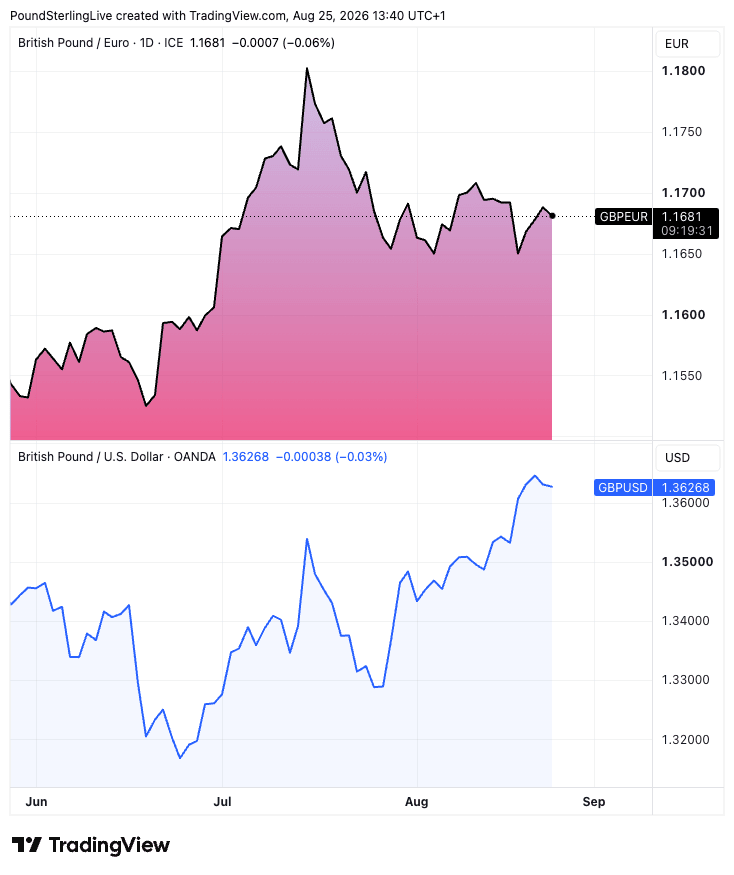
Above: A hot summer for sterling. GBP/EUR and GBP/USD (bottom).
The new Prime Minister Andy Burnham has been wise to avoid engaging in serious policy issues, for that would mean he'd have to grapple with the significant challenges the country and economy face, and headlines would have inevitably dimmed the pound's summer glow.
"Many of the biggest pressures on the public finances increasingly lie ahead. 10-year gilt yields are above 5%, reflecting energy-related inflation concerns," says Martin Beck, Chief Economist at WPI Strategy.
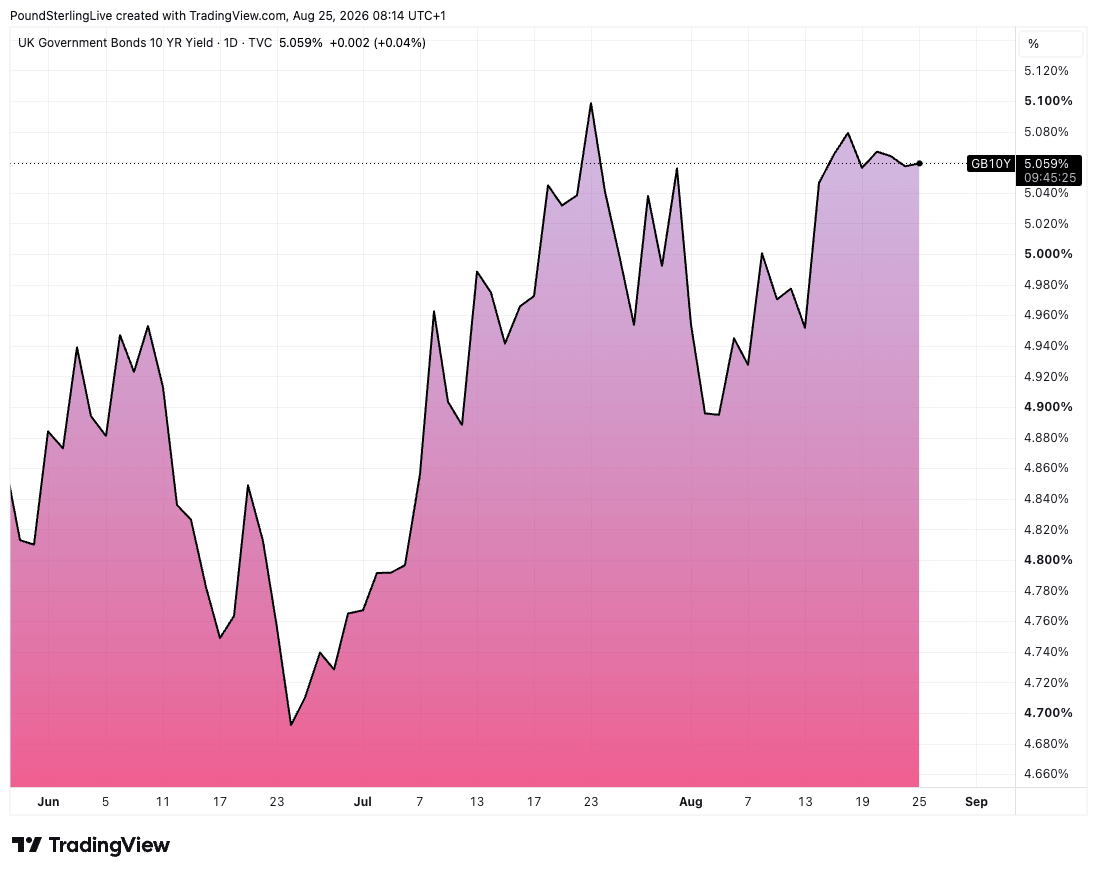
Above: The 10-year bond yield has moved higher during the summer.
Beck says higher funding costs imposed by the bond markets will gradually feed through into a larger debt-interest bill as existing debt is refinanced.
"At the same time, the government faces pressure to loosen inherited spending plans, meet unfunded defence commitments and deliver on its own ambitions for housing, infrastructure and public services," he adds.
Rob Wood, Chief UK Economist at Pantheon Macroeconomics, says Burnham has made little secret of his desire to reform social care and boost homebuilding, "both of which will require large sums of investment."
"We also think defence spending will need to be further increased in the coming years," he adds.
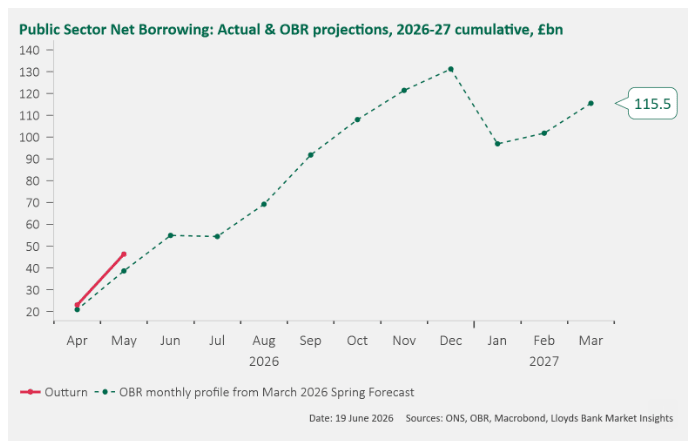
Above: UK public borrowing running ahead of forecast for the current fiscal year.
Burnham entered Number 10 with ambitious plans to reform the country with a socialist slant; the costliest plans included nationalisations, reforming social care and a massive increase in social house building. However, the ambitions run well beyond these two big-ticket projects.
However, we've steadily seen his more lofty ambitions binned as his time in office has moved on. The latest example of which is his decision to drop plans to fully nationalise Thames Water. "Public control of water firms was expected to be one of the PM’s first acts in No 10. Huge costs to the taxpayer are said to have caused him to rethink plans," says Steven Swinford, Political Editor at The Times.
Our house view is that Burnham's primary political instinct is maintaining his popularity with a view to calling a snap election.
That means he won't rock the boat at the October budget and will opt for mini giveaways while he will tinker with taxes to convince markets he is responsible while generating supportive headlines.
Beck expects "some targeted spending increases, a handful of smaller tax rises and perhaps a limited increase in borrowing."
That won't be enough to hit the pound for six and in a world where 'carry is king', sterling should continue to benefit from the UK's elevated real interest rates.
So for us, near-term caution is building on these tax headlines and the coming weeks could see GBP cool, but not by enough to undermine the broader multi-month uptrends against the euro and dollar.