
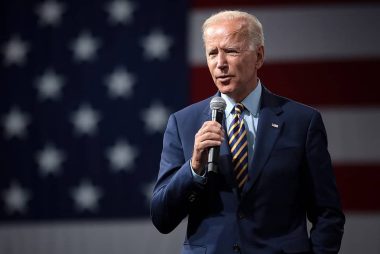
Stock markets are higher at the start of the new week, but foreign exchange markets are looking a little more indecisive on news that Joe Biden became the President-elect of the United States, endi…
Read more →
A market-friendly but U.S. Dollar-negative 'blue wave' outcome to the hotly contested U.S. election could yet transpire, given news that the race for the Senate will only be decided in January.
Read more →
The Dollar and Yen fell and 'risk on' currencies such as the Pound, Euro Australian Dollar and Canadian Dollar rose as investor optimism spiked higher on the day U.S. voters went to then polls.
Read more →
A tranche of polls have been released over the past 24 hours that have confirmed a stable lead for Joe Biden with just days go before polling stations across the United States open.
Read more →
It is an unwillingness by investors to fully buy into what the polls are saying - that Biden will comfortably win the vote - which will likely keep stock markets churning between gains and losses a…
Read more →
The prospect of heightened financial market volatility and a stronger Dollar over coming weeks looks set to grow if Democrat presidential nominee Joe Biden's lead over incumbent Donald Trump contin…
Read more →
Analysts have been drawing caution on an assumption that the Democrats will secure a coveted 'blue wave' outcome to the November election, an outcome that financial markets could be guilty of assum…
Read more →The Dollar eased back into the mid-week session amidst an improvement in global investor sentiment that saw stocks and commodity prices rise amidst ongoing signs that the U.S. November election wil…
Read more →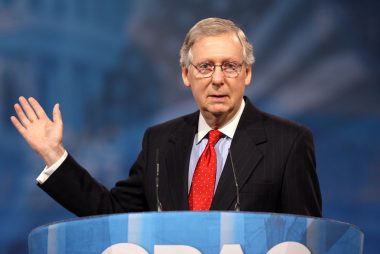
Analysts at Natwest Markets and Barclays have told clients the likelihood of a market-boosting U.S. stimulus bill being presented ahead of the November vote are low.
Read more →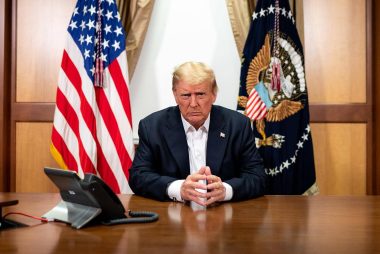
Stock markets and commodities fell while the safe-haven Dollar, Yen and Franc were bid higher after President Donald Trump unexpectedly ended negotiations with Democrats over a large coronavirus re…
Read more →
The New Zealand Dollar lost ground against the Euro and U.S. Dollar in September amidst an environment of falling investor confidence and rising expectations for the Reserve Bank of New Zealand to …
Read more →Number-crunching and analysis of options markets have allowed foreign exchange strategists at Barclays to arrive at some educated estimates as to how exchange rates might react to the outcome of No…
Read more →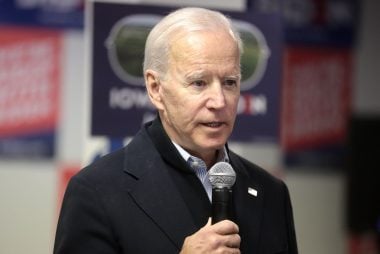
The U.S. Presidential election could add further downside pressure to the U.S. Dollar if the Democrat nominee Joe Biden emerges victorious, according to foreign exchange analysis from investment ba…
Read more →