
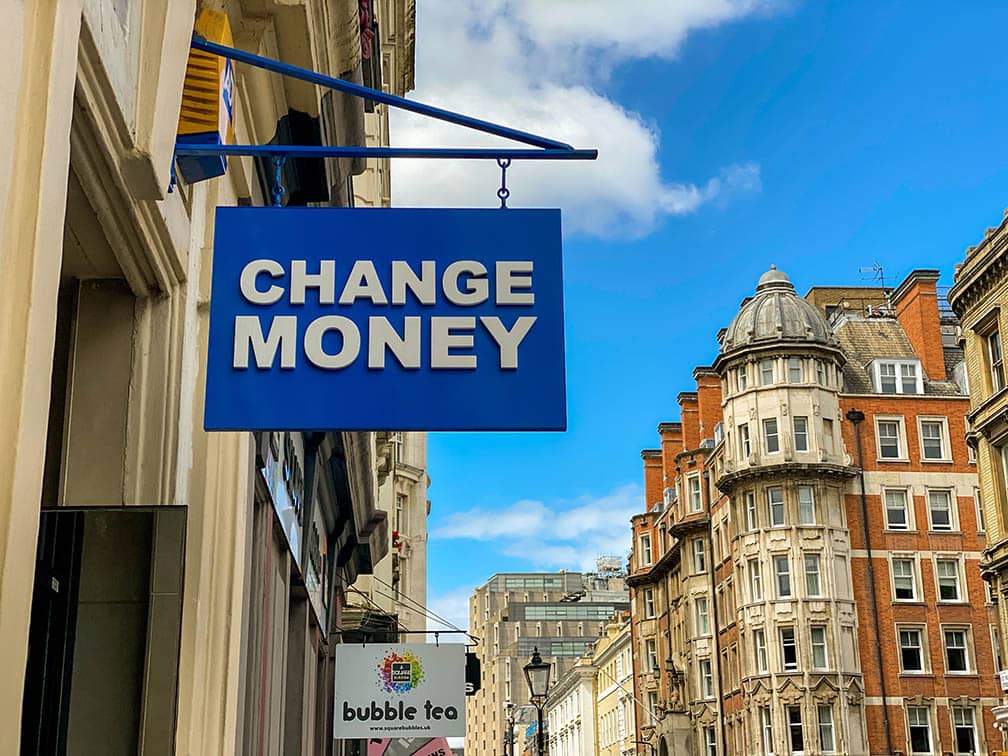
Sending money across borders may appear straightforward, yet exchange-rate movements can quietly reduce the final amount received.
Sending money across borders may appear straightforward, yet exchange-rate movements can quietly reduce the final amount received. A rate displayed in the morning may change before a transfer is completed, while service fees and conversion margins can create further uncertainty. For families, freelancers, businesses, and property buyers, careful planning can make international payments more predictable and considerably less expensive.
Currency management is especially important in industries that process regular payments across several markets. For example, a company exploring an Altenr best sports betting b2b solution may work with technology partners, independent contractors, and service providers from several countries, making multicurrency payments a regular part of its operations. Without a clear transfer strategy, even a modest rate movement can increase operating costs. The same principle applies to an individual paying university fees, supporting relatives abroad, or purchasing a home in another country.
Understand the Real Cost of an International Transfer
The exchange rate is only one part of the final cost. Banks and payment platforms may also apply transfer fees, receiving charges, intermediary bank costs, or a margin added to the market rate. A service advertising “zero fees” may simply include its profit within a less favourable conversion rate.
A useful comparison should therefore focus on the exact amount arriving in the recipient’s account. Two providers may quote similar fees while delivering noticeably different sums. Checking the complete calculation before confirming a payment can reveal costs that are easy to overlook.
Key Costs Worth Checking Before Sending Money
• The difference between the quoted rate and the mid-market rate
• Fixed transfer and processing charges
• Fees collected by intermediary or receiving banks
• Additional costs for card-funded payments
• Higher charges for urgent or same-day transfers
Reviewing these details takes only a few minutes. For a large payment, however, such a check may save a substantial amount.
Watch Exchange Rates Without Chasing Perfection
Trying to predict the perfect moment for a transfer is rarely realistic. Currency markets respond to inflation reports, interest-rate decisions, political developments, and unexpected economic news. Even experienced analysts cannot consistently forecast every short-term movement.
A more practical approach involves selecting an acceptable target rate in advance. Rate alerts can then notify the sender when the market reaches that level. This removes some emotion from the decision and reduces the temptation to delay a necessary transfer while waiting for an unlikely bargain.
The payment deadline also matters. A flexible schedule creates room to observe the market, whereas a last-minute transfer leaves little choice. Starting the process early is often one of the simplest forms of currency-risk management.
Divide Large Payments Into Smaller Transfers
A single conversion exposes the entire sum to the rate available at one specific moment. Splitting a large payment into several smaller transfers spreads that exposure across different dates. One conversion may occur at a weaker rate, while another may benefit from a more favourable movement.
This method, sometimes described as averaging, does not guarantee the lowest cost. Its main purpose is to reduce the risk of converting everything on a particularly bad day. The approach can suit tuition payments, overseas renovations, property instalments, and recurring support for family members.
Consider Tools That Offer Greater Certainty
Some transfer specialists provide tools designed for planned international payments. A forward contract can secure a rate for a future date, helping a business or household calculate the exact cost in advance. A limit order can automatically arrange a conversion once a chosen rate becomes available.
Practical Options for Reducing Currency Exposure
• Set rate alerts for realistic target levels
• Use scheduled transfers for recurring payments
• Lock a future rate when budget certainty is essential
• Spread a large conversion across several dates
• Keep funds in a multi-currency account when appropriate
Certain tools may involve deposits, minimum transfer amounts, or cancellation conditions. Every term should be understood before an agreement is accepted. A fixed rate provides certainty, but it can also prevent a sender from benefiting if the market later improves.
Match the Strategy to the Purpose of the Payment
No single method works for every international transfer. A small birthday gift does not require the same preparation as an overseas property deposit. Urgent medical or family support may prioritise speed, while a commercial payment may place greater value on predictable budgeting.
Transfer frequency should guide the decision as well. Regular senders can benefit from automated payments and multi-currency balances. Someone making a one-off payment may gain more from comparing providers and monitoring rates for a short period.
Verify Security, Timing, and Recipient Details
A favourable rate means little if funds are delayed or sent to the wrong account. Recipient names, account numbers, bank codes, and reference details should be checked carefully. A small test payment may be sensible before a particularly large transfer.
Regulatory status and customer support also deserve attention when selecting a provider. Reliable services explain fees clearly, protect account access, and provide a traceable payment record. Wise currency management is not about finding a magical rate. It is about combining reasonable timing, transparent costs, suitable tools, and careful preparation.