



Will New Gambling Tax Hikes Spell the End of High Street Betting?
- Written by: Sam Coventry
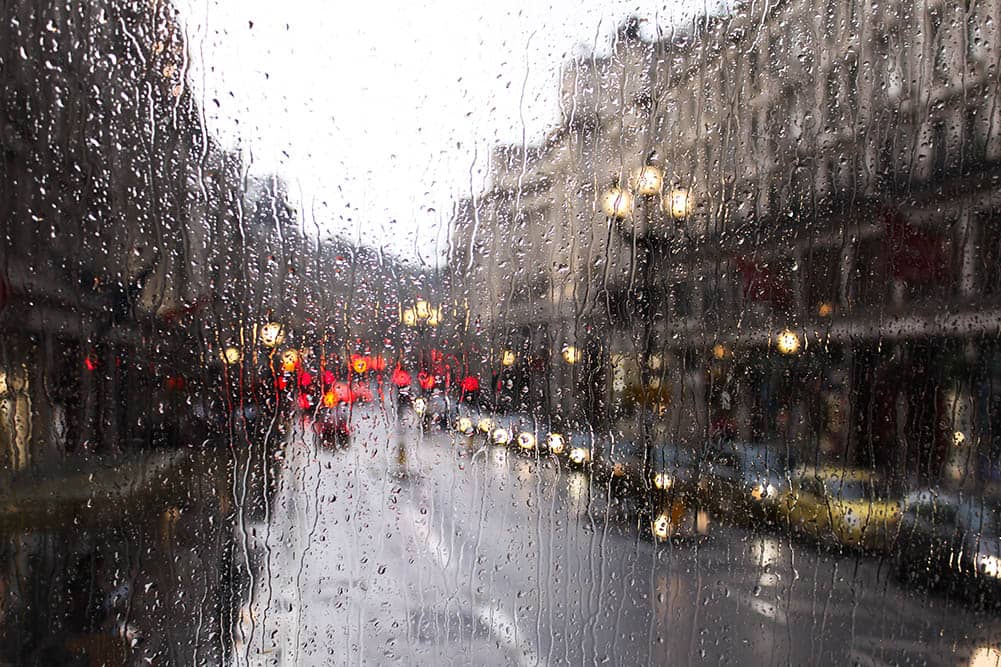
Image © Adobe Images
The boarded-up shopfronts. The faded signage. The empty units where bookmakers once stood. Walk down almost any British high street and the pattern is unmistakable.
Now, with Chancellor Rachel Reeves signalling that gambling firms should "pay their fair share," that slow erosion could become a flood.
Fred Done isn't prone to melodrama. The Betfred co-founder has lasted five decades in a trade that's buried plenty of competitors.
Yet when he warns that all 1,287 of his UK betting shops could close if tax rates rise, it lands with the weight of experience rather than exaggeration.
Done's numbers make for grim reading. Over 7,500 jobs could be lost if higher taxes make betting shops unprofitable. 300 shops are losing money.
"People will still bet," Done told the BBC, "but they'll bet offshore with bookmakers who don't pay anything to this country."
It's an all too familiar warning, but one that cuts to the argument now defining Britain's gambling debate: when does paying your fair share become paying the price for survival?
Bookies on the Brink
Betfred isn’t crying wolf alone. Earlier this month, Evoke, the owner of William Hill, said it could close up to 200 shops if the Treasury presses ahead with new gambling duties.
Paddy Power has already announced 57 closures across the UK and Ireland, citing mounting overheads. This is no longer one operator playing hardball. It's an industry-wide contraction playing out in real time. This is a sector under siege.
You don’t need to like the bookmakers to see the risk. Britain’s High Streets, already hollowed out by retail decline, stand to lose another big hitter.
The local bookie may not attract much sympathy, but many are more than just shops.
Independent bookmakers have spent decades building a presence in their towns and have become familiar faces in the community. They employ staff, pay rent, and keep units alive that might otherwise sit empty for years or be turned into more properties horded by landlords.
For some small towns, the betting shop is part of the social fabric, a place where locals drop in, catch up on news, and feel connected. Losing them is not just a financial hit, it is another small piece of community life fading away.
What Are Bookies Actually Worried About?
- They already pay a lot in tax: Bookies pay 15% on sports bets, 20% on gaming machines, and 21% on online casino games.
- The government might raise those rates: Industry fears taxes could jump to 35–40%, which they say would wipe out profits.
- Shops are expensive to run: Rising wages, rent, and National Insurance have added millions to operating costs.
- Fixed-odds machines could be hit hardest: These machines make up a big chunk
of shop revenue, and higher taxes could make them unviable. - They say it could push people to offshore sites: Unlicensed operators don’t pay
UK tax or follow safer gambling rules, but they’re still easy to access.
Online Betting Is Taking Over
Here's what the industry rarely admits out loud: the high street bookie was dying anyway.
Walk into most betting shops today and you'll find more people staring at fixed-odds terminals than studying racing forms.
The communal atmosphere, the scribbled odds on chalkboards, the banter with counter staff. It's heritage gambling, increasingly irrelevant when a teenager can access forty bookmakers from their bedroom.
Online gambling has changed how people play. Instead of walking into a shop, punters now scroll through dozens of options on their phones. A quick search for best new casino sites uk brings up pages of offers, each promising better odds, bigger bonuses, and faster payouts.
Players move between games and markets in seconds, chasing wins across football, roulette, and virtual slots without ever leaving the app. They can even join live streams for that casino immersion from the living room.
Online betting sites also promote themselves as safer and more responsible. Many are linked to tools like GamStop, which let users block themselves from gambling.
They offer deposit limits, time-outs, and systems that flag risky behaviour. These features create a clear record of how people play, which makes it easier for regulators to track and respond.
Fred Done isn’t against online betting. What worries him is how quickly government policy could shift the balance. He thinks high street shops might have another 20 years. But if taxes go up sharply, that could be cut in half.
The Tax Debate
There’s a clear moral case for taxing gambling. It causes real harm, from addiction and debt to family breakdown.
The Gambling Commission estimates around 300,000 people in Britain show signs of problem gambling. That has knock-on effects for mental health services, debt charities, and the courts. If society carries those costs, many believe the industry should help cover them.
But tax policy is not just about what feels fair. It’s about what actually happens. If duties go too high, people don’t stop gambling. They just move to places where rules don’t apply.
Gambling is not fixed to one location. It’s global, mobile, and easy to shift. Raise taxes in the UK and the business doesn’t disappear; it moves offshore.
Unlicensed sites don’t check IDs. They don’t link to GamStop. They don’t fund treatment or research. They take bets and offer nothing in return.
What Comes Next?
The autumn budget will ultimately decide more than Betfred's balance sheet. It will shape whether British gambling remains a visible part of the high street or becomes an online world controlled by apps and notifications.
Perhaps that shift is inevitable, perhaps it's even overdue. A digitally regulated market is easier to monitor than cash transactions across thousands of shopfronts.
That said, it's worth asking whether tax policy should actively accelerate the death of high street betting, or whether there's value in that older, traditional, more visible form of gambling.
Because once those shops are gone, they're not coming back. And the online world that replaces them may prove far harder to walk away from than a bookie on the corner ever was.


