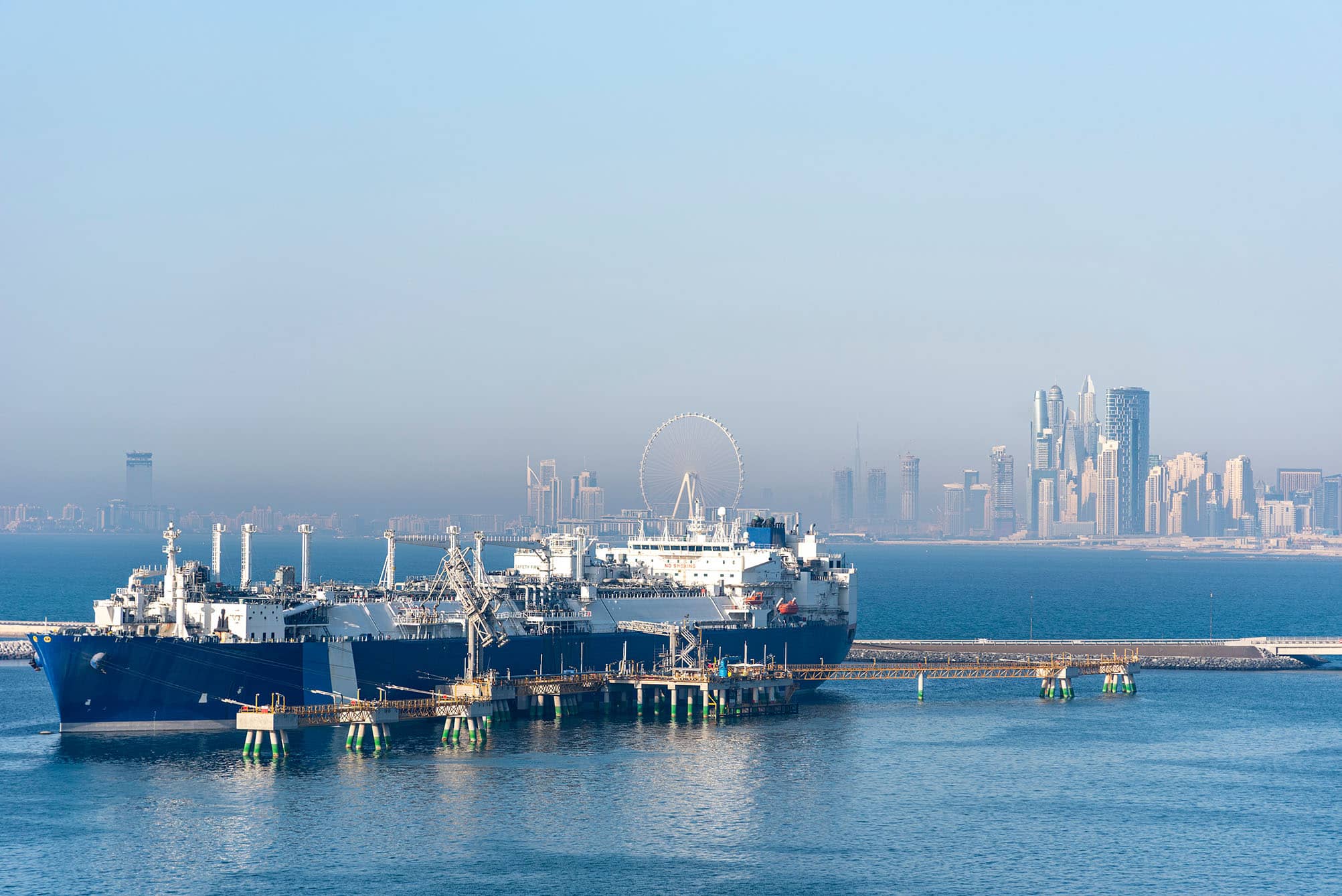
Natural gas carrier off Dubai. Image © Adobe Images
No peace rebound for GBP/USD and EUR/USD as U.S. allies signal fears over Iran's grip on Strait of Hormuz.
U.S. President Trump is learning that 'you can't put the genie back in the bottle'; an idiom that describes a process is unleashed, and it's impossible to return to the previous state of affairs.
Trumo said Monday he wants out of the war and was talking to Iran about reaching a deal. But the UAE and Saudi Arabia are making it clear that they risk being left in a situation far worse than what came before the U.S. attacked Iran. As a result, they are looking to escalate.
The Wall Street Journal says the Arab states are "getting tougher following persistent attacks that have disrupted their economies and risk giving Tehran long-term leverage over the Strait of Hormuz."
For his part, Binyamin Netanyahu says Israel will continue striking "both Iran and Lebanon".
The latest twists in the Iran war have helped the dollar recover against the euro, pound sterling and other major currencies:
The pound-dollar exchange rate falls to 1.34 from 1.3436 after a news report that U.S. allies Saudi Arabia and the United Arab Emirates "edge toward joining the fight against Iran."
Euro-dollar is down a quarter of a per cent on the day at 1.1584, pound-euro is steady at 1.1570.
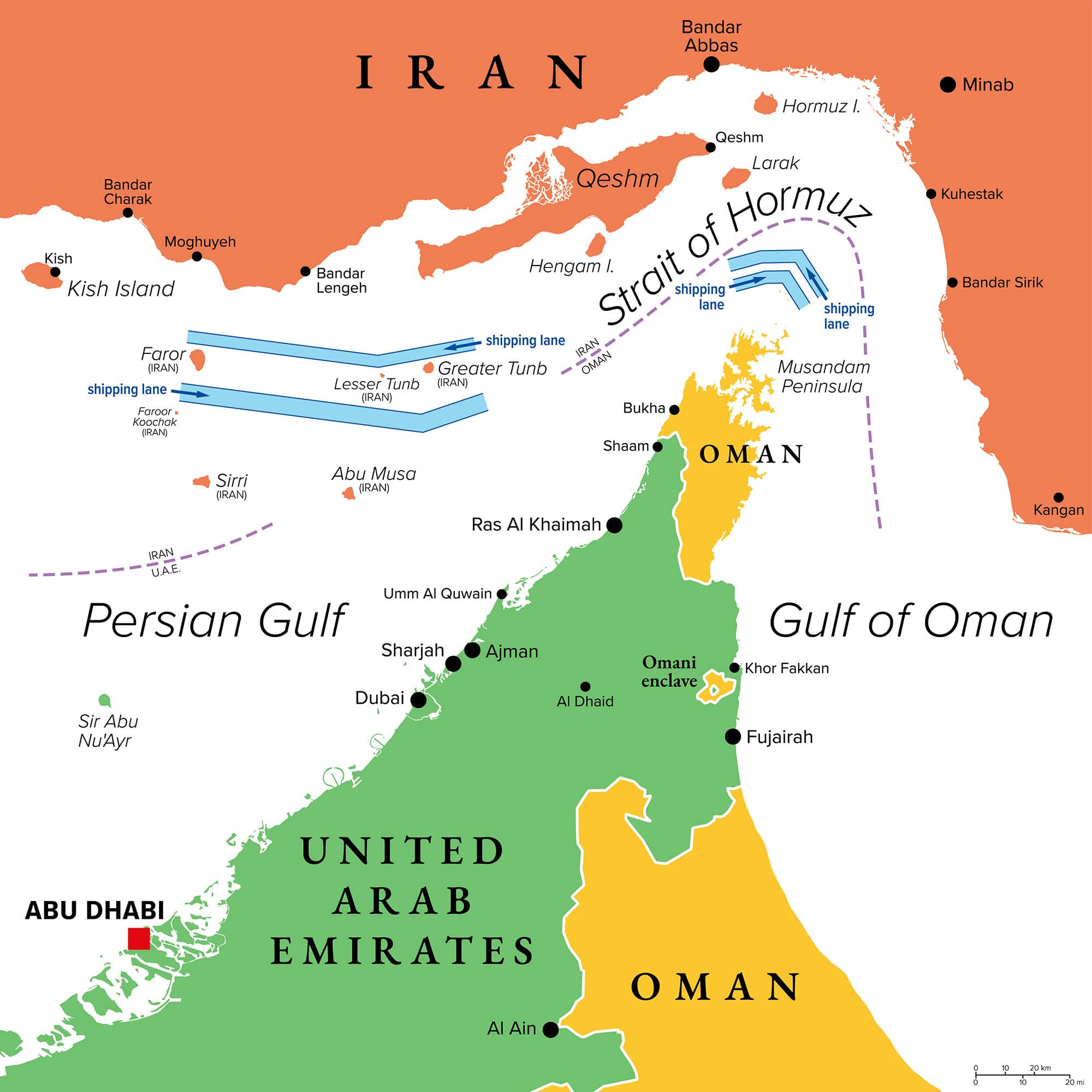
The UAE and Saudi Arabia likely responding to fears Iran will maintain its leverage over the Strait of Hormuz by directly taxing shipping, amidst reports some ships are paying Iran $2M to pass through the Strait.
"Saudi Arabia and the UAE reportedly are inching towards joining the US in the fight against Iran. It could be leverage to push Iran quicker into a deal or the prelude of another escalation in the war," says a daily market report from KBC Bank.
The two Arab states share the Strait with Iran and fear that the U.S. has actually made matters worse by strengthening Iran's hold on the crucial shipping lane through which their crude oil and natural gas flows, leaving them more vulnerable to a more belligerent Iran in the future.
Oil prices have risen in response to the reports this Tuesday, helping the dollar.
The situation in the Middle East is more complicated than U.S. President Donald Trump had expected; on Monday the pound recovered after he said Iran and the U.S. were talking and that an end to the war was imminent.
But he didn't count on the disquiet of his allies in the region, who have to pick up the mess the U.S. looks keen to leave behind.
The Wall Street Journal report says the UAE and Saudi Arabia have not yet gone as far as deploying their militaries openly in the fight, "a line the Gulf’s rulers have hoped not to cross, though pressure is building as Iran threatens to exert greater sway over the energy-rich region."
With tensions high, the dollar might find itself better supported and the 'peace' rebound in stock markets and the likes of GBP/USD and EUR/USD is put on hold.
"We remain cautious about the extent of the recovery. Regardless of any potential short-term truce/peace deal, there are still longer-term consequences tied to the weeks long closure of the Strait, in fertilizers and as a result in food to name just one," says KBC Bank.