Image © Adobe Images
Middle East War Raises Kiwi Rate-Hike Risk, Even as Domestic Growth Takes a Hit.
The New Zealand dollar faces a complicated fallout from the war in the Middle East shows a new analysis from Kiwi lender ASB.
In a new analysis, analysts say the conflict is negative for the economy in growth terms but potentially supportive for the currency through higher inflation and a firmer Reserve Bank outlook.
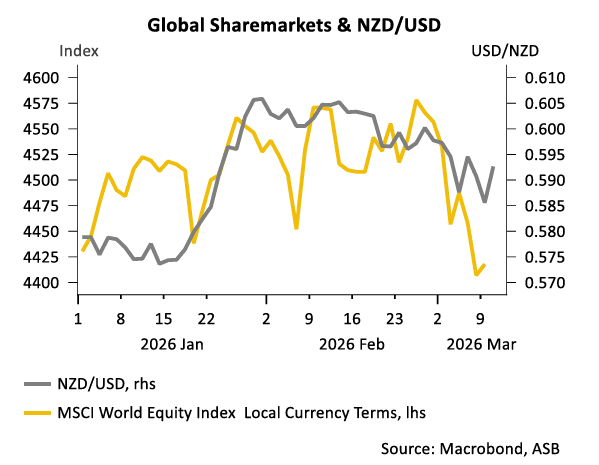
ASB does not make a direct, explicit bullish or bearish call on the kiwi as a starting point, but it does note that "currency movements have been modest, with the NZD trading in a 0.5835 to 0.6055 USD range," even as markets begin to price more substantive effects from the conflict.
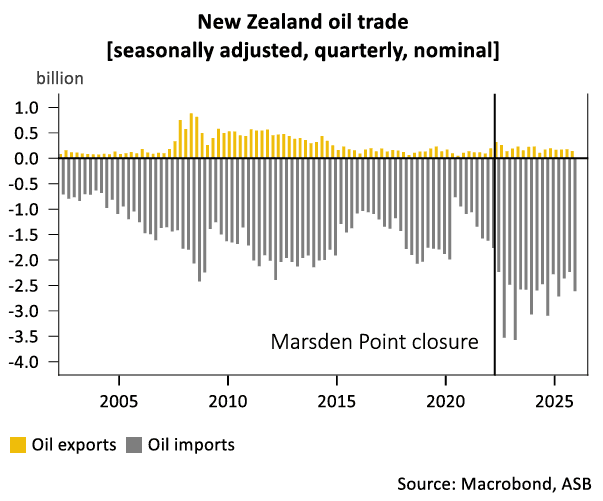
The key takeaway for NZD is that the war is lifting oil, gas and freight costs at a time when New Zealand is a net importer of oil. This threatens an inflation shock that could reduce the scope for further easing and, in time, pull forward rate hikes.
"There remain two-sided risks to the OCR outlook – but we deem these asymmetric. High inflation and already low settings suggest a high bar to OCR cuts. Upside risks look more compelling, particularly if upward price pressures persist," says ASB.
That matters directly for the New Zealand dollar because a central bank that is less able to cut, or more likely to hike, tends to offer support to the exchange rate through higher expected returns on local assets.
"We expect the RBNZ to start a gradual sequence of OCR hikes from December. If CPI inflation looks like it will stay elevated the risk is for an earlier and more protracted tightening cycle as the RBNZ strives to re-anchor wage and price settings," adds the analysis.
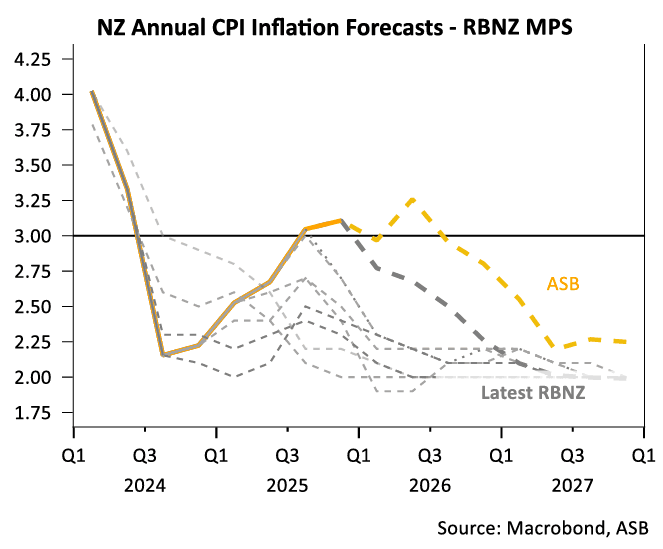
The inflation backdrop is central to that call: ASB estimates the direct lift in oil prices and transport disruption could add around 0.3 to 0.5 percentage points to Kiwi CPI in 2026, with inflation potentially rising above 3% by mid-year and hovering near that level through year-end.
GBP/NZD
For the economy itself, however, the report is more cautious.
ASB says New Zealand is exposed through several channels because "the NZ economy is small and open and is frequently buffeted by external shocks."
Higher fuel and freight costs act as a tax on firms, households and government, constraining what was already "an already-gradual consumer recovery."
ASB warns the shock is not just about oil as the closed Strait of Hormuz will impact New Zealand exports to the region as around NZ$3.5BN of goods exports to the Middle East pass through the route, while some exports to Europe typically do as well.
"Rather than being a direct energy price shock, the current episode runs the risk of morphing into something nastier, where an energy and security premium gets tacked onto the movement of goods," the report says, adding that "this could result into a larger and potentially more widespread economic hit to NZ and global economic activity."
That leaves the kiwi caught between two opposing forces:
On one side, slower growth, weaker confidence, softer tourism and higher import costs are negative for the domestic economy.
On the other hand, the inflation impulse and the higher bar for OCR cuts increase the chance that interest-rate support for the currency strengthens rather than weakens.