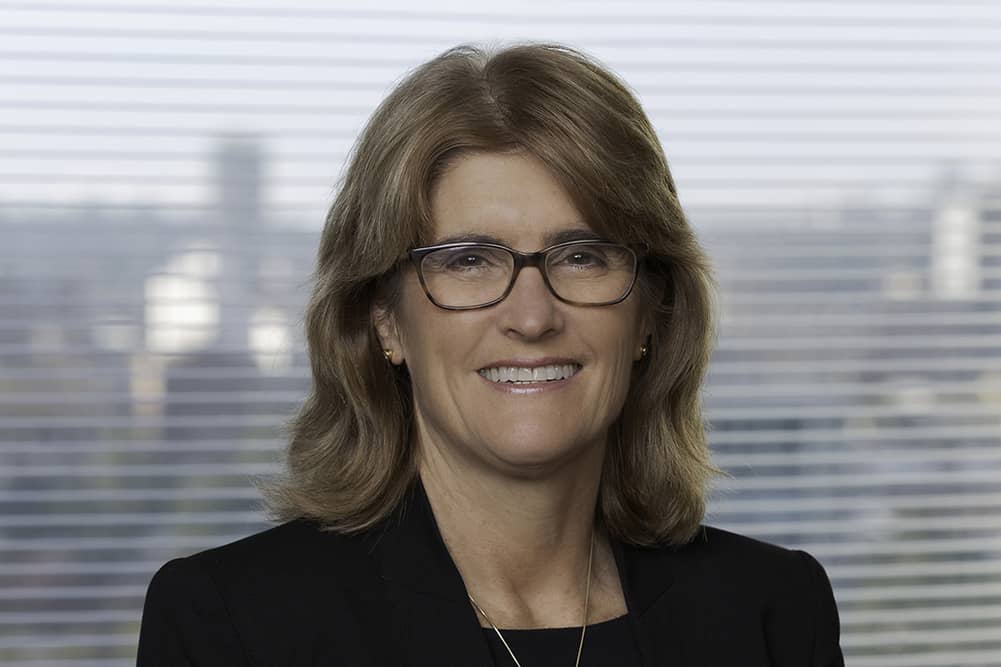
Above: File image of Michelle Bullock. Image © RBA
Australian interest rates will likely rise again this year.
Three meetings, three hikes and perhaps one more in the offing: the Reserve Bank of Australia leads the rate hiking cycle.
For the Australian dollar, this 'hawkish' central bank stance is proving supportive and explains ongoing currency outperformance.
With the decision to raise interest rates by 25 basis points to 4.35% being expected, it was always about the guidance: signal there's nothing more in the pipeline and the Aussie dollar would have come under pressure.
However, signal that further hikes are possible and you provide the AUD with more juice to continue strengthening. The 8-1 vote in favour of a hike was the initial signal that policymakers aren't willing to wait on the sidelines.
"The tone of the post-meeting statement was more hawkish than we expected," says Adam Boyton, Economist at ANZ. "There was not the clear opening to a pause in June that we expected."
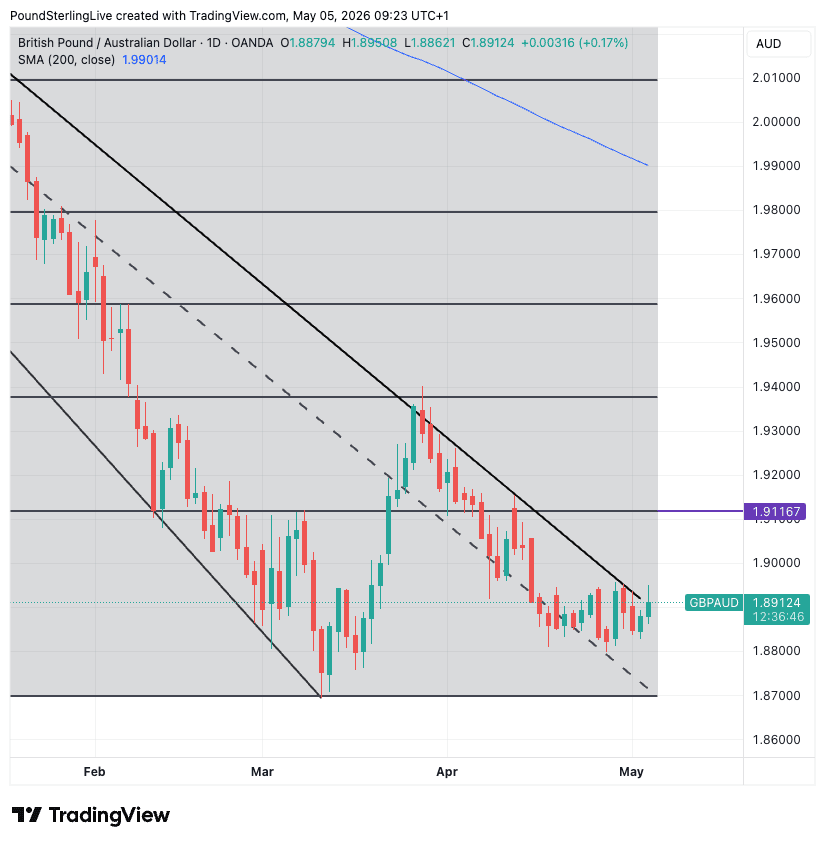
To be sure, the pound-Australian dollar exchange rate rises to 1.8924 on the day, up by nearly a quarter of a per cent, suggesting there is definitely some 'sell the fact' price action to be had in the immediate term (weakness could also be a result of renewed tensions in the Middle East).
But this is more likely part of a consolidative phase and is unlikely to be a material turning point in the downtrend.
The RBA decision and guidance reinforce to us GBP/AUD remains at risk of further weakness in the coming days and weeks as the Australian dollar looks set to continue benefitting from Australia's real interest rate advantage: relative interest rates in Australia are higher than anywhere in the G10.
With international capital chasing this advantage, AUD looks set to continue outperforming.
"While Governor Bullock noted that the cash rate was now somewhat restrictive, the committee retained its tightening bias, seeming determined to face down the risks presented by the Iran war-driven rise in energy, wary that could generate fresh second round effects from an already elevated starting point for Australian inflation and disanchor expectations," says Sam Hill, Head of Market Insights at Lloyds Bank.
Consensus projections for the next four quarters, compiled from leading investment banks.
Access the full forecast →
Analysts at ANZ think the RBA won't raise interest rates again in June as there's a risk of a slowdown caused by the effects of the war in the Middle East.
However, they think August will see the RBA hike for the fourth time in the cycle, given the ongoing focus on capacity pressures and the more hawkish tone than we anticipated in the post-meeting statement.
The RBA staff anticipate a 1.0% q/q Q2 trimmed mean inflation outcome, which would make it difficult for the Board to hold rates steady in August in the absence of a soft activity picture.
For AUD to relinquish its dominance, we would need to see domestic data start to cool and signal that the RBA can, in fact, step back from hiking rates.
That would cap Aussie bond yields and limit AUD's upside potential. For now, there's nothing in the mix to think this is imminent.