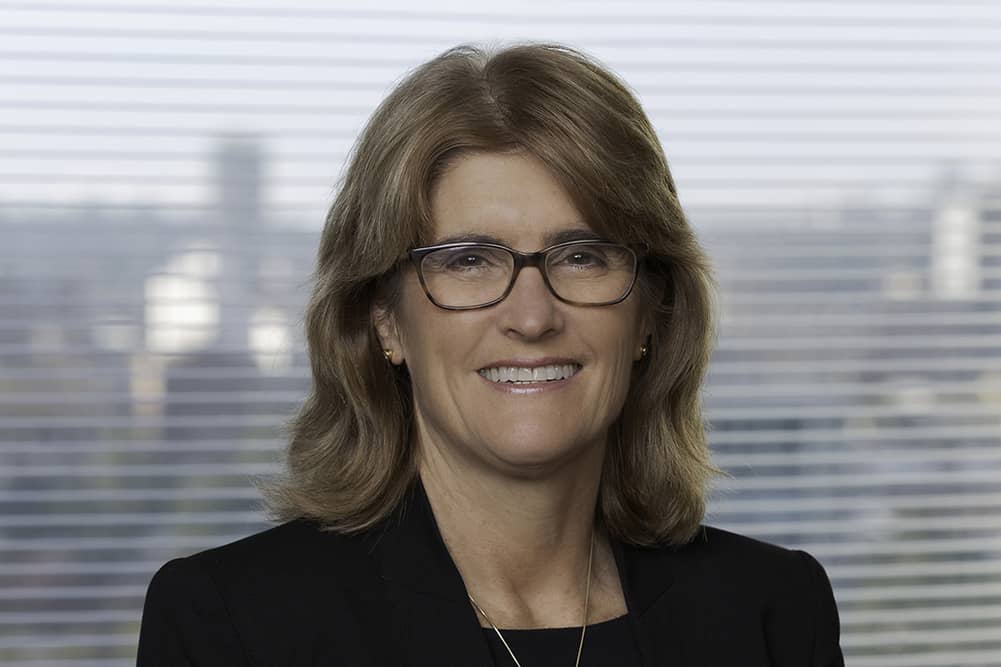
Above: File image of Michelle Bullock. Image © RBA.
AUD is bid as investors think the RBA could raise interest rates again as soon as May.
The Reserve Bank of Australia (RBA) raised interest rates 25bps to 4.10% on Tuesday and condoned market expectations for further hikes in the coming months.
Australian bond yields have risen in response to the hike and the prospect of further such moves, which has in turn benefited the local currency.
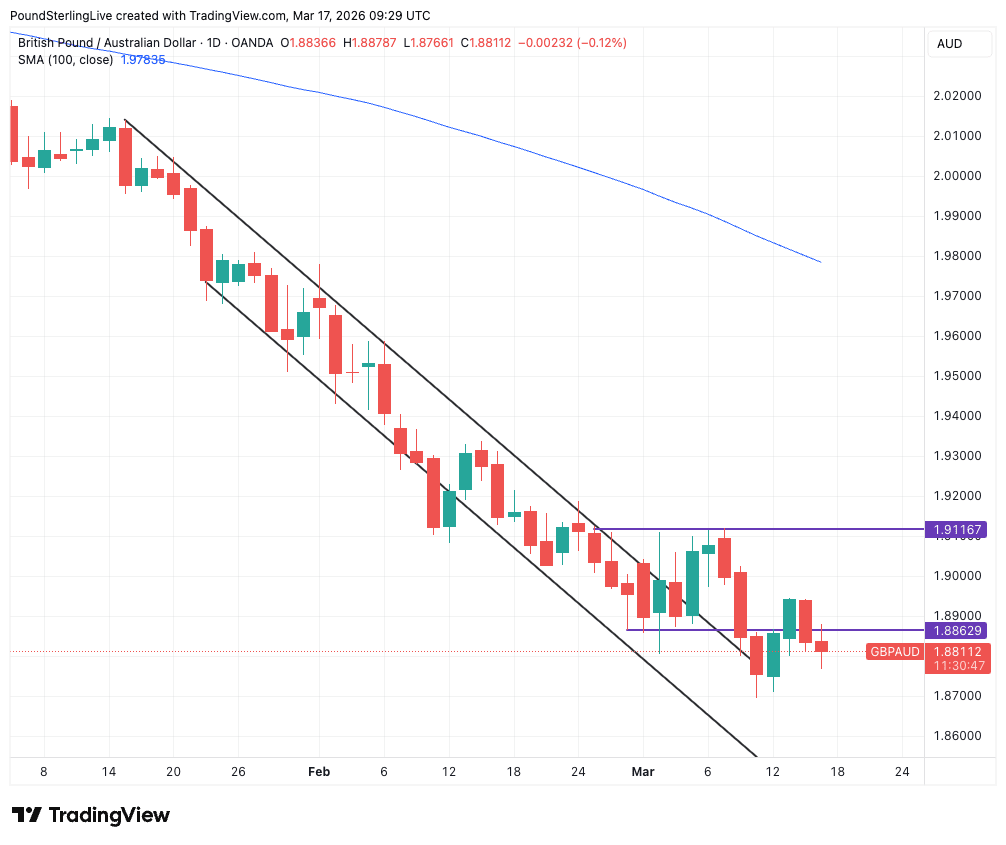
GBP/AUD drops to 1.8816, EUR/AUD falls to 1.6254 and AUD/USD rises to 0.7085.
Although the RBA's board was split on the matter - a 5-4 vote suggests this was a close run thing - there was an apparent unity on the view that if the rate hike didn't happen today, it would happen next time around.
Add to this Governor Michelle Bullock's commentary; when asked by a reporter if the RBA would push the economy into recession to stem inflation, she said, "if it's hard to bring inflation down then we’re going to have to deal with that."
"The hawkish comments relating to inflation risks from the conflict support market expectations for two further hikes this year. Rising yields in Australia remain a tailwind for the Aussie alongside higher commodity prices which have both helped it to outperform this year," says a response note from MUFG Bank.
The war in the Middle East was acknowledged to pose fresh inflation risks, but policymakers emphasised that the Australian economy is running close to full capacity, which means it is running hot enough to cause inflation.
So, regardless of the war, Australia was always likely to see a hike today.
"The tightness of the domestic labour market and the elevated inflation prints prior to the conflict were amongst the factors given more prominence in the justification of the decision," say an analyst response from Lloyds Bank.
The hike was largely expected by markets, which means that for currency markets, it's what comes next that's of importance.
Money markets see a 56% chance of another hike as soon as May, with a further hike priced in over the remainder of the year.
That's the most aggressive rates setup in any G10 country and explains why the Australian dollar is proving so strong.