

















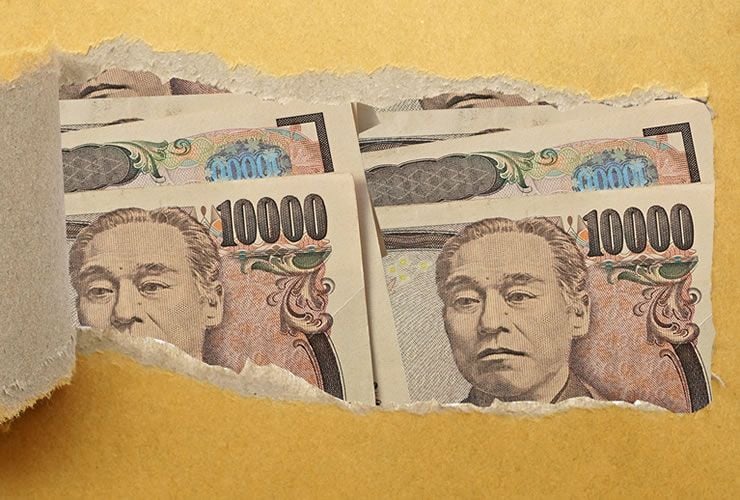
The Bank of Japan has decided to hold its interest rates at -0.1% while introducing changes to its asset purchase programme. The JPY fell, but we hear the prospect of the currency continuing to fall are slim.
After introducing negative interest rates and doubling ETF purchases earlier this year, the BoJ decided to introduce an interest rate target for 10-year government bonds.
The move to buy 10-year government bonds is intended to cap yields at zero percent and therefore ensure borrowing costs remain low.
The announcement was unexpected but it was welcomed by markets with the Nikkei surging by 2% to cross the 16700 mark.
The Yen weaken against most of its major competitors.
The question now becomes whether the moves lower in JPY can be sustained?
"The yen will likely completely erase last night's losses as the market grows increasingly doubtful that the BoJ can reach the inflation target and drive its own currency," says Yann Quelenn at Swissquote Bank.
Analysts at Deutsche Bank agree saying the effect is likely to wear off within days, based on comparable historical situations.
In particular the bank considers the effectiveness of the ‘inverse twist’ measure currently being put forward as a means of steepening the yield curve by bring down short-term borrowing rates.
The ‘inverse twist’ involves the Bank in swapping longer-dated bonds with financial institutions for shorter dated bonds, leading to a fall in the yield on shorter bonds and a rise in the yield for longer bonds, and thus a steepening of the yield curve.
Flat and negative yield curves are a problem in Japan where they have led to savers gaining no interest on their savings, made things difficult for pension managers hoping to collect dependable yield, an also threatening, “the business model for banks and life insurers,” according to a Market Watch’s William Watts.
From an FX perspective a twist operation would be expected to weaken the yen normally, but an analysis of the impact in the past it has shown that it has only weakened the yen by an average of 0.12%.
“Twist operations however should not be directed at FX goals. Since 2009, an average week where the curve twists steeper is 3bps for 10y - 2yr JGBs, and this has only been associated with a 0.12% depreciation in the JPY TWI,” say Duetsche in their note.
Deutsche’s overall conclusion is that, “For all the earlier hope that the Fed and BOJ were both going to support USD/JPY, the risks are now firmly skewed in the direction of disappointment and a stronger yen.”
Bank of Tokyo Mitsubishi’s Currency Analyst Lee Hardman agrees.
Hardman says the markets will views today's inaction as a sign they don’t have any ammunition left to steer the economy.
“Ultimately a decision on Wednesday to keep policy unchanged will merely reinforce the belief in the market that the BoJ is running out of options and the short-term response will be a further lift for the yen,” said Hardman.
Reports suggest the BOJ policy committee is split between Kuroda and his ally the deputy governor who want more stimulus, and the rest who want to see whether the current asset purchase programme, can do the trick on its own.