Image © Adobe Images
The Canadian dollar is likely to remain trapped in a defensive range as deep structural weaknesses in the domestic economy limit upside potential and leave the currency vulnerable to further pressure.
“This year is shaping up to be a make-or-break moment for the Canadian economy,” says Kevin Ford at Convera, the global payments provider.
He warns Canada faces mounting productivity challenges and housing risks that could force renewed monetary easing and widen the interest rate gap with the United States.
While the Bank of Canada has paused its easing cycle at 2.25%, Ford says “the real story is a domestic economy that has been treading water for years while the United States pulls ahead,” highlighting a widening prosperity gap that is becoming increasingly difficult to ignore.
Canadian labour productivity remains “roughly 70% of U.S. levels,” a disparity Ford links to “years of investment drifting into domestic sectors like real estate rather than the export-oriented industries that drive true growth.”
He points to a decade in which “government spending has consistently outpaced economic output,” noting that federal budgets have grown at more than 7% annually since 2015 while real GDP per capita has been “essentially flat.”
This imbalance has, in his view, left the economy exposed, as “headline employment gains often mask a growing dependency on public sector hiring rather than the entrepreneurial spark needed to revitalise living standards.”
✳️ Secure today's exchange rate for a future payment. You may also book an order to trigger your purchase when your ideal rate is achieved. Learn more.
Adding to the strain is what Ford describes as “a massive mortgage renewal wave” that represents “a significant unpriced risk for the next two years,” with many households facing payment increases of 15% or more as loans reset by the end of 2026.
He argues the impact is already visible, suggesting the recent “Buy Canada” staycation trend is “less about national pride and more a symptom of decimated purchasing power as international travel becomes a luxury many can no longer afford.”
Against this backdrop, the outlook for the Canadian dollar reflects what Ford calls “this uphill battle,” with the Loonie struggling to generate a durable tailwind despite speculative interest.
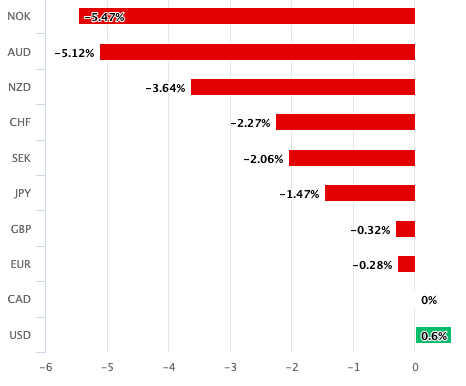
“Recent positioning shows that while traders have nudged the currency to its longest long position since 2022, this is likely more a bet against a softening Greenback than a ringing endorsement of Canadian fundamentals,” he says.
Ford cautions that “a widening interest rate gap, should the Bank of Canada be forced to ease further to cushion a housing shock, will keep the currency under pressure and prevent a move toward the theoretical fair value of 1.25.”
Markets are not pricing a sharp downturn, he notes, but “a stable and stagnant outlook for the year ahead,” leaving the Canadian dollar confined to what he describes as a “defensive range” unless Canada can resolve its productivity crisis or secure a benign outcome from upcoming trade consultations.
“For now, the currency is caught between a rock and a hard place,” Ford concludes, as Canada needs a narrower yield spread to support appreciation but lacks the underlying economic strength to sustain a stronger exchange rate without further undermining export competitiveness.