Consensus projections for the next four quarters, compiled from leading investment banks.
Access the full forecast →
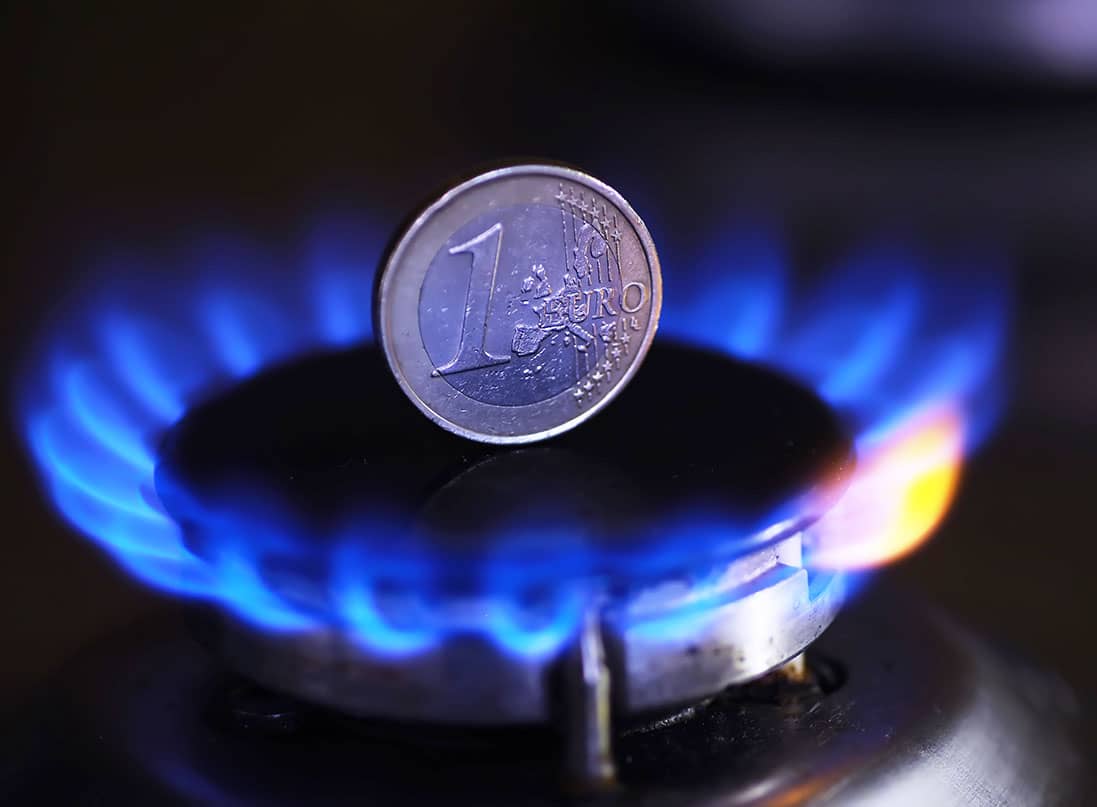
Energy prices are a weak spot for the euro. Image © Adobe Stock
The euro is liable to further weakness in the coming week.
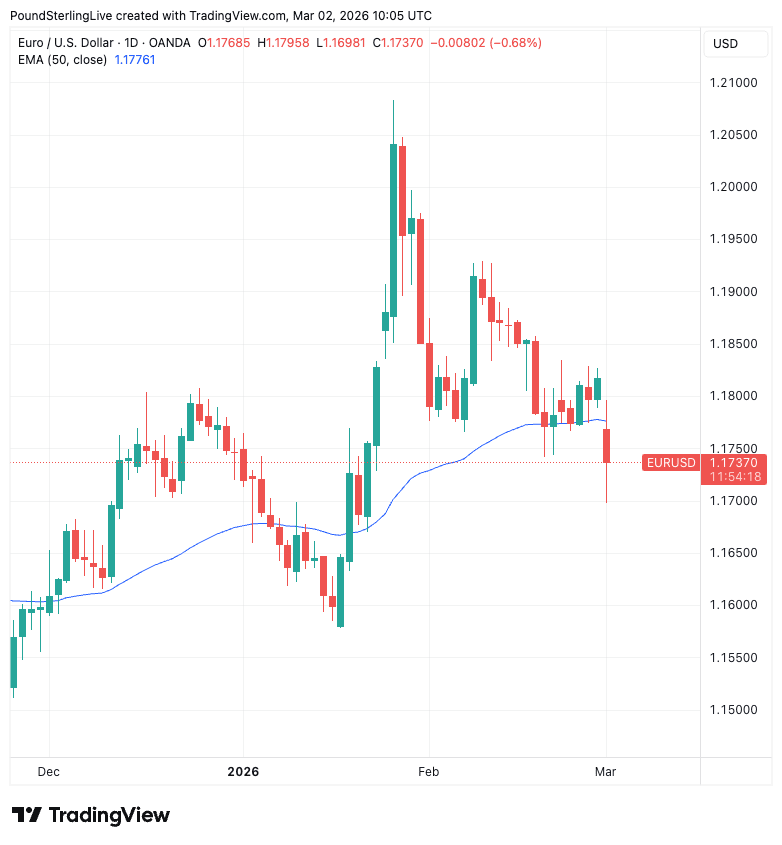
The euro is down 0.70% against the dollar on Monday at $1.1736 as markets respond to the conflict between the U.S. and Iran.
Oil prices are higher and what's clear early on is that currencies belonging to oil producers are outperforming those belonging to oil importers.
On this count, the euro, pound and Swedish krona are struggling owing to their significant energy production deficits. The dollar - remember the U.S. is the world's biggest oil producer - the Norwegian krone and Canadian dollar are outperforming.
The euro-dollar exchange rate fell as low as 1.17 in early Asian trade and has since lifted off the floor. We're in a headline watching mode, and as soon as we see the U.S. offer Iran some kind of offramp, we would expect a recovery to take hold.
However, that's yet to happen and we will adopt a bearish stance on the currency pair for the coming week. Indeed, the pair's technical setup has deteriorated as it slips below the 50-day moving average, which marks a flip in the near-term trend from higher to lower.
It's still too soon to say the longer-term uptrend has been invalidated, and any recovery from around current levels would be in keeping with a pattern of 'higher lows', the hallmark of an uptrend.
Regardless, there's a sense that the euro is losing momentum and is on course to test January's low at 1.1578 before it tests 1.20 again.
Those wanting a stronger euro will hope that the conflict comes to an end sooner rather than later, as Monday's FX market losers will only see that position entrenched the longer the conflict lasts.
It's worth remembering, however, that geopolitical flare-ups tend to have limited impact on markets, and we suspect U.S. President Donald Trump will be open to negotiations with a new Iranian leadership.
Rising oil prices are problematic for the President as Americans will be acutely sensitive to a new inflationary impulse.
EUR/USD
For this reason, we would expect that his threat that the attacks could last "for weeks" is more of a rhetorical ploy aimed at pressuring the Iranians to the negotiating table.
The problem for Trump - and global markets - is that the Iranian's have lost all their leaders in Saturday's surprise strike, making a meaningful negotiation more difficult.
Nevertheless, we suspect markets will find an equilibrium before long as long as regional oil infrastructure and export routes remain unscathed.
So although euro-dollar is now pointed lower, we'd imagine downside damage will be limited.