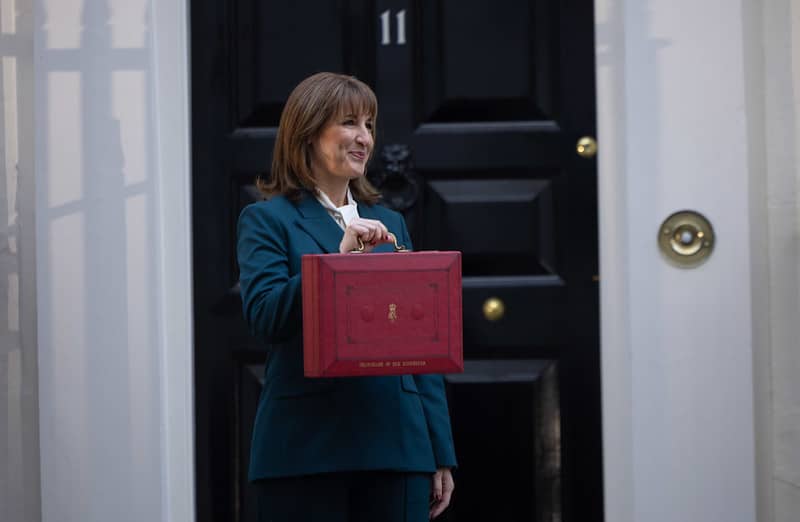
Picture by Simon Walker / HM Treasury
The UK gambling sector has seen many regulatory changes over the years, but the latest tax overhaul feels like a real turning point.
The industry suspected a rise was coming, but the size of the increase has still hit hard. R
Remote gaming duty rising from 21% to 40% in April 2026, and a new 25% general betting duty for remote betting coming in a year later, has set off alarms across the industry.
The market is already competitive and compliance costs have been rising for years. Now everyone is scrambling to figure out what this means for their business model, staffing, marketing and even how they interact with their players.
A Bigger Hit than Most Expected
The response across the sector has mostly been negative. Many have called the new tax rates a devastating hammer blow, warning that jobs, growth and investment are all at risk.
Even before the chancellor confirmed the changes, shares in major gambling companies were tumbling. Once the details came to light, operators like Rank Group, Entain and Evoke warned of big cost-cutting plans.
Entain expects profits to drop by up to £150 million. Evoke says it could face £135 million in extra duty and may cut thousands of jobs.
Rank forecasts a £40 million hit to operating profit, partly softened only because bingo duty has been scrapped.
It isn’t just the operators feeling anxious. Analysts also expect players to change their behaviour.
The Office for Budgetary Responsibility predicts that operators may pass on up to 90% of the additional duty, which means players may see fewer bonuses, worse odds and less generous promotions.
That could push many into unregulated territory, where offshore operators can offer more aggressive incentives simply because they don’t pay UK tax.
Why the Government Is Taking This Approach
From the government’s point of view, the reasoning is pretty straightforward: online gambling is growing. The sector made £12.6 billion last year, and an extra £1.1 billion in taxes is projected annually by 2029-30.
They argue that these changes are partly about reducing harm since remote gaming, and especially online slots, carries more risk than other types of gambling. Meanwhile, bingo duty will be abolished and land-based venues have been left untouched.
Operators Are Rethinking Their Strategies
A tax rise of this significance changes how operators think, act and innovate. Industry analysts and product specialists say operators will now focus more on player lifetime value, product design, and engagement.
Features like side-bet jackpots, new reward structures, and diverse content, which used to be optional, have become essential.
In short, operators need to get more value out of each customer, without relying too much on bonuses or heavy marketing.
Any competitive online casino operator will now have to consider how to optimise gameplay, improve engagement, and diversify their offerings, all while keeping their players safe.
Marketing Gets Harder, so Operators Look Beyond the UK
Marketing and promotions are some of the easiest to cut back on when costs rise, and some operators have already confirmed reductions.
There have already been statements of brands planning to cut promotions and advertising to handle the tax increase, while others have talked about closing retail stores and cutting operational costs.
If established operators scale back offers, smaller brands may struggle to stay visible. That could even lead to some companies exiting the UK market completely. It has already been suggested that any of them who are intent to keep going will try to pick up more UK players as weaker competitors back out.
That raises a bigger question: where do operators look for growth when customer acquisition at home gets more expensive?
The answer for many will be new markets.
The UK has long been a tough and competitive, but valuable market. Operators who build strong systems here often expand that model abroad. And with taxes rising, expanding into new regulated areas suddenly looks a lot more appealing. Some businesses are already in good positions thanks to their international reach, while others may speed up plans to enter newer markets.
Black Market Concerns Aren’t Going Away
One of the most consistent concerns across the sector is the expected rise in black-market gambling.
Analysts such as Regulus believe up to £2.5 billion in gross gaming revenue could shift to unlicensed operators as regulated businesses tighten bonuses and cut back on marketing.
The Gambling Commission says it will commit £26 million to address this, but some aren’t convinced that enforcement will keep up.