Image © Adobe Stock
A repeat of 2022's 17% drop in euro-dollar is unlikely, say analysts.
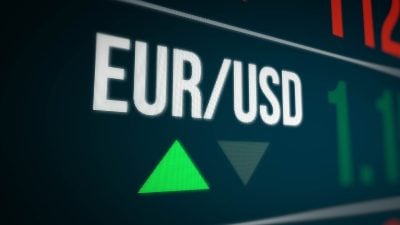
EUR/USD breaks below 1.15 and falls to its lowest since August 01 2025 at 1.1467 and further near-term losses look likely.
Losses reflect Europe's vulnerability to higher energy prices and a steady dollar rally, with the U.S. currency trading higher across the board ahead of the weekend on trader fears we've still got a couple of weeks of conflict and volatile energy prices ahead.
U.S. President Donald Trump indicated this was the case, warning overnight of an escalation, telling people to "watch what happens to these deranged scumbags."
"We have unparalleled firepower, unlimited ammunition, and plenty of time," he added in comments on social media.
"The Iran crisis is strengthening the USD, as reflected by the US Dollar index (DXY) hitting the 100 level again. This is putting more pressure on both the EUR and the JPY. EUR-USD broke below 1.15," says Tullia Bucco, Senior Economist at UniCredit in Milan.
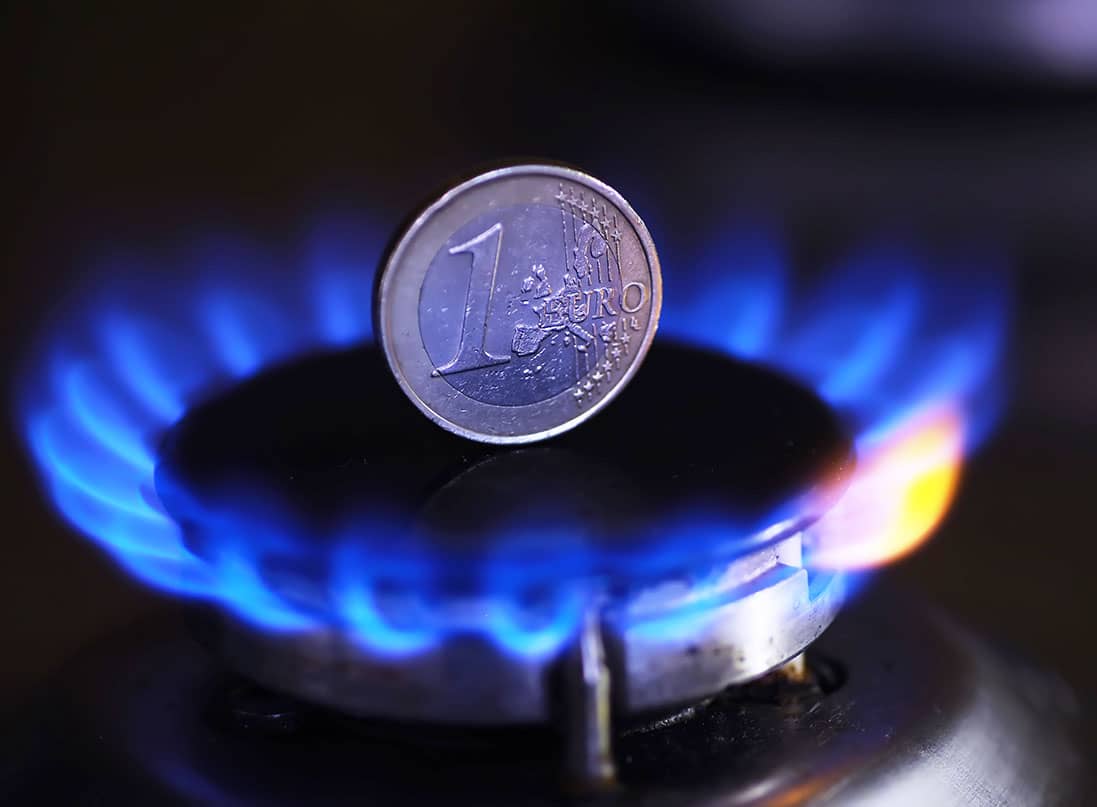
Europe is a net energy importer and it's economies will struggle under the weight of a renewed rise in costs.
"The EUR has emerged as one of the biggest losers since the start of the US-Iran conflict," says Valentin Marinov, Head of G10 FX Strategy at Crédit Agricole.
Numerous EU countries have activated special support to households and businesses and some are calling on the EU Commission to activate a pan-European support response similar to that of 2022.
"EU leaders are pushing for intervention coordinated at the EU level, to avoid the "imbalances" that would inevitably arise if countries were to respond in a purely national, uncoordinated manner," says Bucco.
Bucco warns the EU will be constrained in its response by the reality of public finances and saturated global debt markets:
"This wait‑and‑see stance is well‑justified. The deterioration in public finances stemming from the COVID-19 and energy crises and the resulting increase in refinancing costs significantly constrain the room for manoeuvre."
EUR/USD
EUR/USD will stay offered as long as the war continues, but analysts are still of the view that the downside exposure has its limits.
"We are bearish on EUR/USD from current levels but doubt that the Middle East crisis will lead to a repeat of the 2022 collapse," says Marinov.
During the crisis sparked by Russia's invasion of Ukraine, the euro-dollar fell by around 17%.
However, Marniov points out the US-Iran war will have a global impact unlike the Ukraine war that hit the Eurozone and thus the EUR particularly hard in 2022.
"The EUR/USD losses could be more limited given that the ECB seems now readier to hike and is less likely to lag behind the Fed like it did in 2022," he ads.
Francesco Pesole, FX Strategist at ING, echoes that sentiment:
"This shouldn’t be a repeat of 2022 for gas prices. The disruption to LNG flows from the Persian Gulf is sizeable, but it’s expected to be temporary rather than the structural break Europe faced when Russian pipeline gas collapsed.
So for now, it's a case of a contained selloff extending near-term as opposed to an outright rout of the euro.