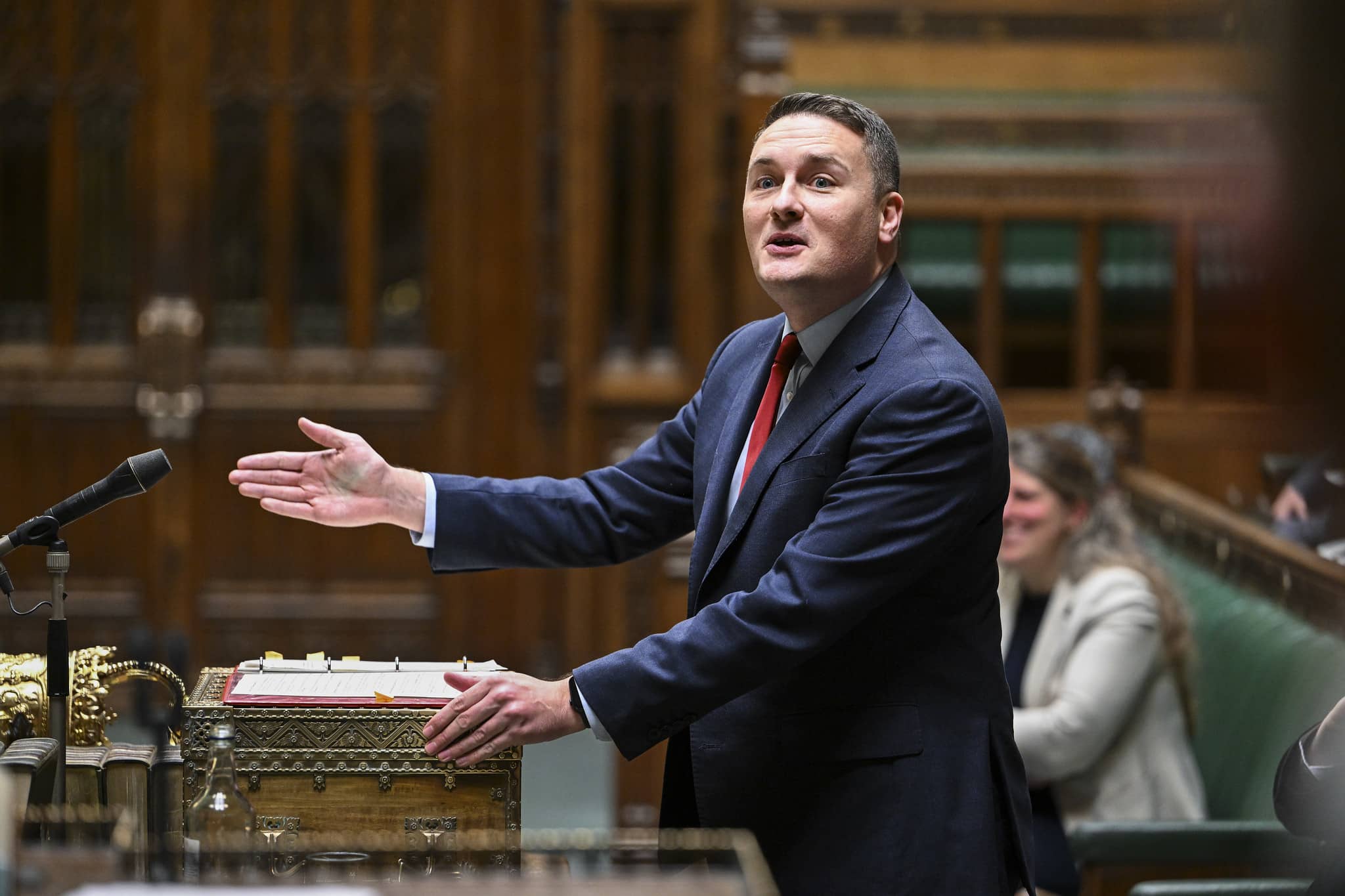
File image of Wes Streeting, copyright and licensing by Gov.UK.
Political uncertainty evolves, but pound sterling is off recent lows against the euro, helped by calmer financial markets and elevated UK bond yields.
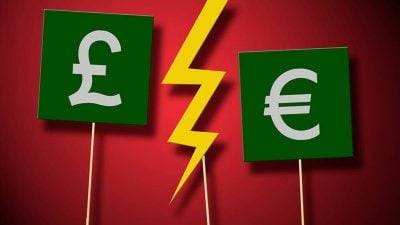
The pound to euro exchange rate rose to 1.1543 Thursday, recovering further from the week's low at 1.1502, underscoring the pound's resilience in the face of evolving political uncertainties.
By early afternoon, markets are digesting news that Health Secretary Wes Streeting has resigned, which will heap pressure on Prime Minister Keir Starmer to trigger a Labour Party leadership election.
Earlier in the day Angela Rayner announced she had been cleared by HMRC over her controversial tax affairs, opening the door for her to join any leadership contest that would replace Keir Starmer in Downing Street.
Rayner stood down as the deputy Prime Minister after journalists uncovered tax irregularities, but she has confirmed she settled £40K in unpaid taxes following an HMRC investigation and avoided a penalty.
Rayner is a firm favourite amongst left-wing Labour Party MPs who advocate for increased government spending on social projects, which markets are wary of.
Rayner's news and Streeting's resignation raise the odds of Starmer departing before the end of the year. For the pound, that's a concern.
"A potential leadership battle could take weeks and would likely exacerbate volatility in Gilt yields and GBP," says Carol Kong, FX strategist at Commonwealth Bank.
Rayner earlier stated that Starmer should "reflect on" stepping down, and she said she would "play my part" in any leadership contest.
Andy Burnham, who is yet to even become an MP, is still the favourite with Polymarket showing his odds of becoming the next MP have risen to 23%. Rayner is at 17% and Streeting at 15%.
The market would prefer Starmer to stay on as that makes an easier calculation for investors trying to calculate the risks and opportunities the UK presents.
"Any expected deterioration in fiscal metrics will put upward pressure on Gilt yields and downward pressure on GBP," says Commonwealth Bank's Kong.
However, Streeting is seen as a second-best outcome as he is considered more centrist and the more likely to follow fiscal disciplines, whereas Burnham has said he would rewire the UK's fiscal rules.
Bond markets are driving the market response to the chaos in Westminster with investors demanding a higher premium to hold UK debt in fear of a future Prime Minister who will increase spending and borrowing, thereby boosting inflation.
Consensus projections for the next four quarters, compiled from leading investment banks.
Access the full forecast →
That premium is the elevated yield offered by UK government bonds, or gilts, which are an 'IOU' the government issues to the market to borrow.
Analysts say high yields are usually supportive of the pound as foreign investors tend to snap up the underlying bonds to take advantage of superior returns.
With UK bond yields offering greater returns than most G10 peers, it's probably no surprise the pound is holding its ground.
This is especially true when global market volatility is low, as is currently the case.
"The level of rates helps explain why the pound isn’t doing as badly as client queries suggest it could be. Sterling will weaken over the coming months, but if it gets sold aggressively in the coming days, we will be tempted to buy it," says Kit Juckes, chief FX analyst at Société Générale.
"Sterling’s recent moves don’t suggest any meaningful repricing tied to domestic political headlines, with the pound holding firm on dips against the US Dollar and outperforming the euro on both a year-to-date and quarterly basis. Historically, UK politics has only had a lasting FX impact when it meaningfully shifts the economic or policy outlook, with markets instead driven primarily by rates, growth, and global risk sentiment," says Joel Kruger, Markets Strategist at LMAX Group.
However, the ever-present fear is that a tipping point is reached where investors step back and dump gilts and the pound in tandem, as happened during the time of Liz Truss.
"A leadership change could unnerve markets and lead to a sell-off in sterling," says Sergio Capaldi, Fixed Income Strategist at Intesa Sanpaolo.