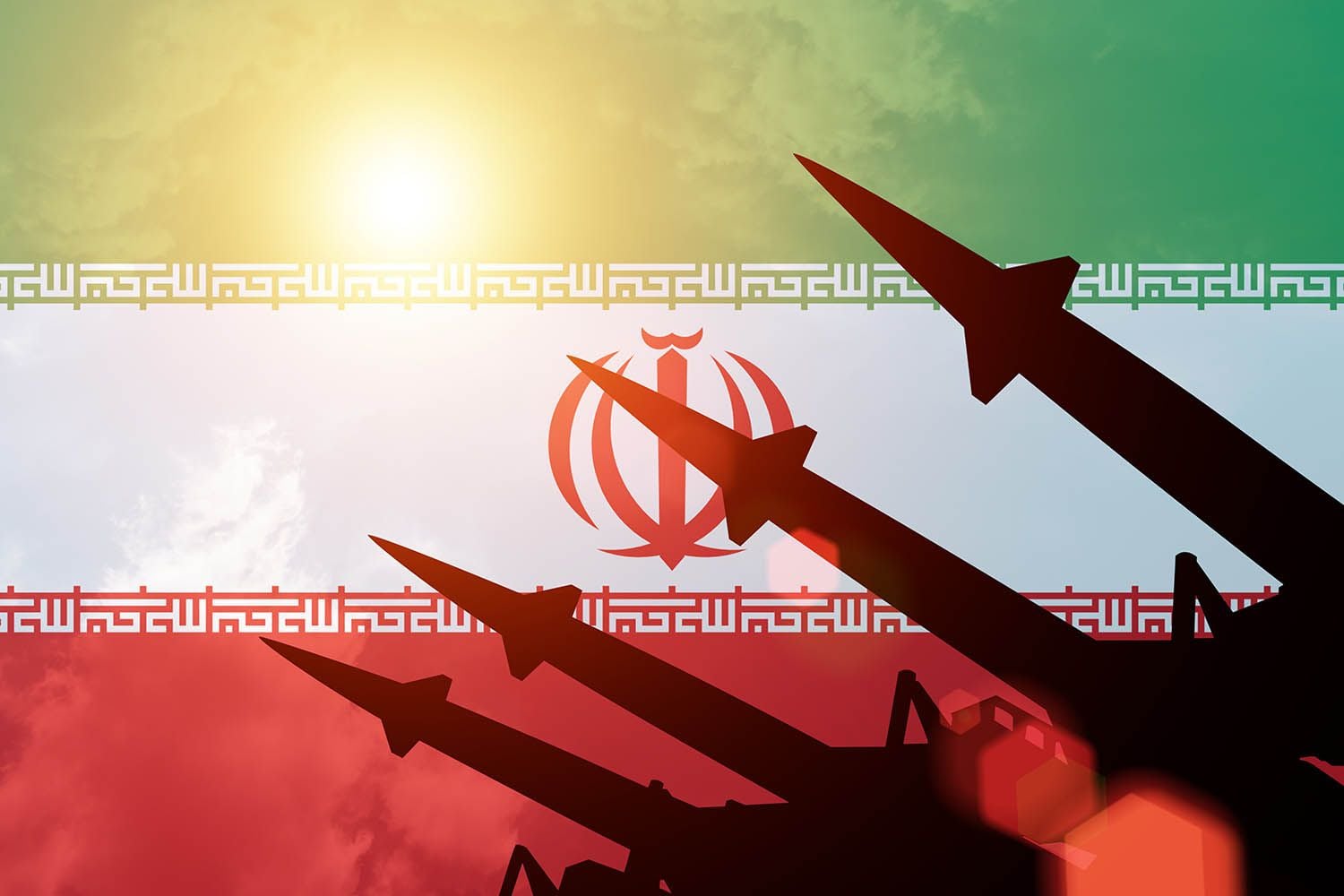
Image © Adobe Images
Iran-U.S. conflict rattles markets - here's what investors should do right now.
The Iran vs. U.S. and Israel war is the biggest news topic in the world at the moment. Millions of people in the world are watching as it unfolds.
Most people are following the news because of their interest in politics and the state of the world's security. Plenty of investors are also keen on the state of the war because of the impact it has on the global financial sector.
The stock market, as explained in this article, is one of the areas that is significantly affected by the war. Currently, fear of losses and the uncertainties about the war and how far it will go are leaving many investors confused.
Should investors sell, buy, or wait? This is one of the biggest questions in the financial sector at the moment.
This post will provide some insight on the right decision for investors.
Determining factors to look out for
There is no definite answer when it comes to whether to buy, sell, or wait. Anyone who claims to have a definite answer is simply lying. However, you can consider the factors in this post to help you determine the best course of action.
The biggest mistake you can make at such a time is rushing into a decision. While events like wars usually cause volatility in the markets, the changes triggered are rarely long-term unless they are accompanied by more profound stress. In other words, markets typically absorb the shock from such events quickly and then stabilise.
In fact, according to numerous strategists, markets typically bottom within the first two to three weeks of an event like a war and then stabilise in a few weeks.
Furthermore, it is worth mentioning that stocks tend to bounce back at a faster rate after the beginning of a conflict, especially if an upturn was already occurring.
The current situation has so far extended an already weakening market backdrop. This means that the market backdrop was already weak even before the war began. This suggests the need for portfolio management. Strategists emphasise the need for portfolio management for investors at the moment.
So, should investors buy, sell, or wait?
The answer is that investors should not stop screening markets for stock ideas. Furthermore, investors should focus on portfolio management. Also, investors should not make any rush decisions without properly analysing the market action.
A decision should never be based on market action from previous wars or fear. Key variables to watch as an investor that may have market impact are: The scope of retaliation - the broader the target for Iranian retaliation in the current war, the higher the escalation risk when it comes to the market.
Impact of the war on energy infrastructure and shipping - the current closure of the Strait of Hormuz has not been full. Thus, it has had a low-profitability outcome.
However, if a full closure occurs, then the outcome will be more volatile and may affect several sectors.
Duration of operations - the duration of the operation will also significantly affect the money market.
The effect may be short-term or long-term, depending on the duration of the operation and the global fallout of the war.
Geopolitical events such as global conflicts typically generate uncertainty and anxiety among investors.
However, what most people do not know is that markets are typically more resilient than expected. While events like the Iran war can trigger big declines, they are not guaranteed to be catastrophic.
Therefore, as an investor, you should not be quick to decide based on fear and anxiety.
Like any other time, take time to analyse the market and the trends before making any decision.
Also, it is important to note that while the war is impacting the markets, it is not intended to be a long-term operation. However, there is no way to tell how long it will take and what kind of impact it will have. The only way to respond is to research, pace yourself, and make an informed decision.