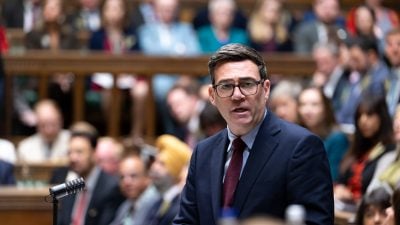
File image of Chancellor Rachel Reeves. Picture by Kirsty O’Connor / Treasury.
The UK government's upcoming budget must do all it can to avoid stoking the UK's hot inflation rates.
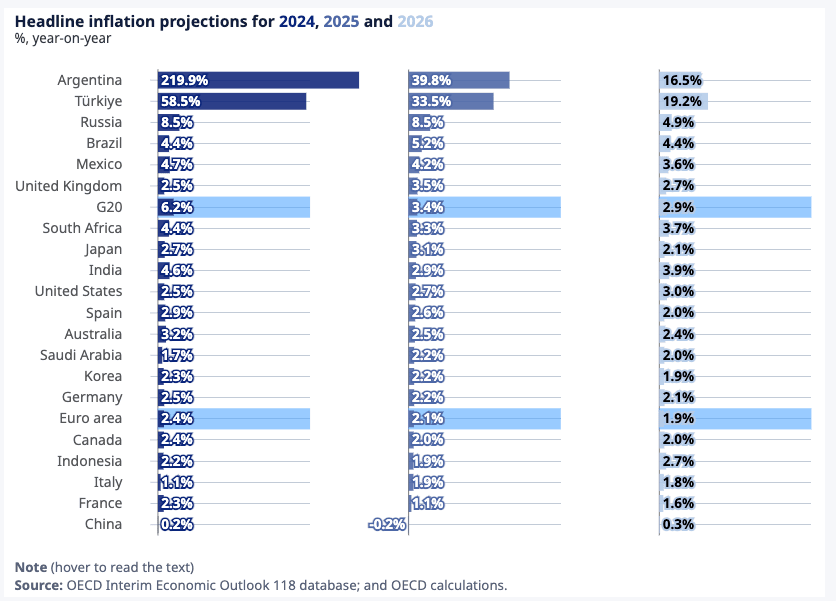
The Organization for Economic Co-operation and Development (OECD) on Tuesday raised its prediction for UK inflation to 3.5% for 2025 from 3.1%.
Although the inflation rate is expected to fall to 2.7% in 2026, it will remain the second-highest in the G7, confirming the UK will endure another year of world-beating inflation rates.
The OECD says food inflation is a large driver behind the UK's rise in inflation, and ONS data will bear this out. However, much of the pressure driving food inflation in the UK is global in nature, which means other countries are experiencing the same unwelcome developments.
Yet, inflation is far closer to 2.0% in a host of nations, from Canada to the European Union.
Economists say the UK's inflation problem is largely down to decisions taken by the current government that are proving inflationary, namely, tax hikes on employment and inflation-stimulating government spending.
"The OECD also predicts that the UK will have the highest inflation rate among the major advanced economies this year, pushed up by the passthrough of higher employer NICs, a jump in the minimum wage and rises in regulated prices," says Martin Beck, Chief Economist at WPI Strategy.
"The Labour government's inflationary policy mistake in its first budget continues to define the UK economy. Suppliers passing on the increase in their labour costs from the combination of rises in the minimum wage and payroll tax in April kept the composite input prices balance above 60 for an 11th consecutive month in September," says Andrew Wishart, Berenberg.
He explains the result of the sharp rise in costs continues to squeeze profit margins, weigh on headcount and push up inflation.
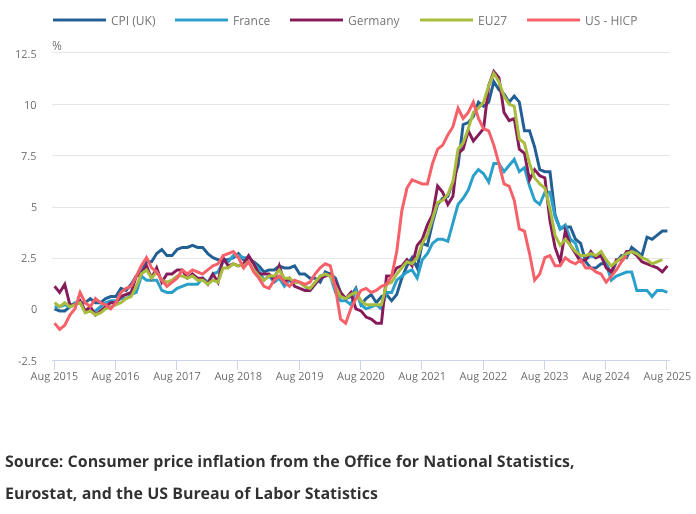
Above: UK inflation is rising while it is flat or falling in peer nations.
Chancellor Rachel Reeves lowered the rate of Class 1 employer NI contributions from 13.8% to 15% in her November 2024 budget, while the threshold, the point at which employers start paying NI on employees' earnings, was lowered from £9,100 to £5,000.
But government expenditure is also running at levels consistent with inflation. One driver of this spending growth are public sector pay increases, which were set above inflation for the 2024/25 financial year between 4.75% to 6%.
With the UK's inflation rate running ahead of peer countries, the Bank of England has been unable to cut interest rates as far and fast as other central banks, bestowing the country with higher interest rates.
And the Bank will be counting on the government to assist in its fight against inflation on November 26 when Reeves announces her second budget.
If she is to learn from previous mistakes, then she will know taxing businesses could entrench the country's exceptional inflation for longer, while an inability to show spending restraint risks boosting the demand side of the inflation equation.
"Businesses across the board are looking ahead to the November Budget with hope that it delivers meaningful action to ease cost and regulatory pressures. Without that clear policy direction, confidence will continue to ebb and firms will find it increasingly difficult to invest, hire and grow," says Ben Jones, Lead Economist at the CBI.