Highly accurate consensus projections for the next four quarters, compiled from leading investment banks.
Access the full forecast →
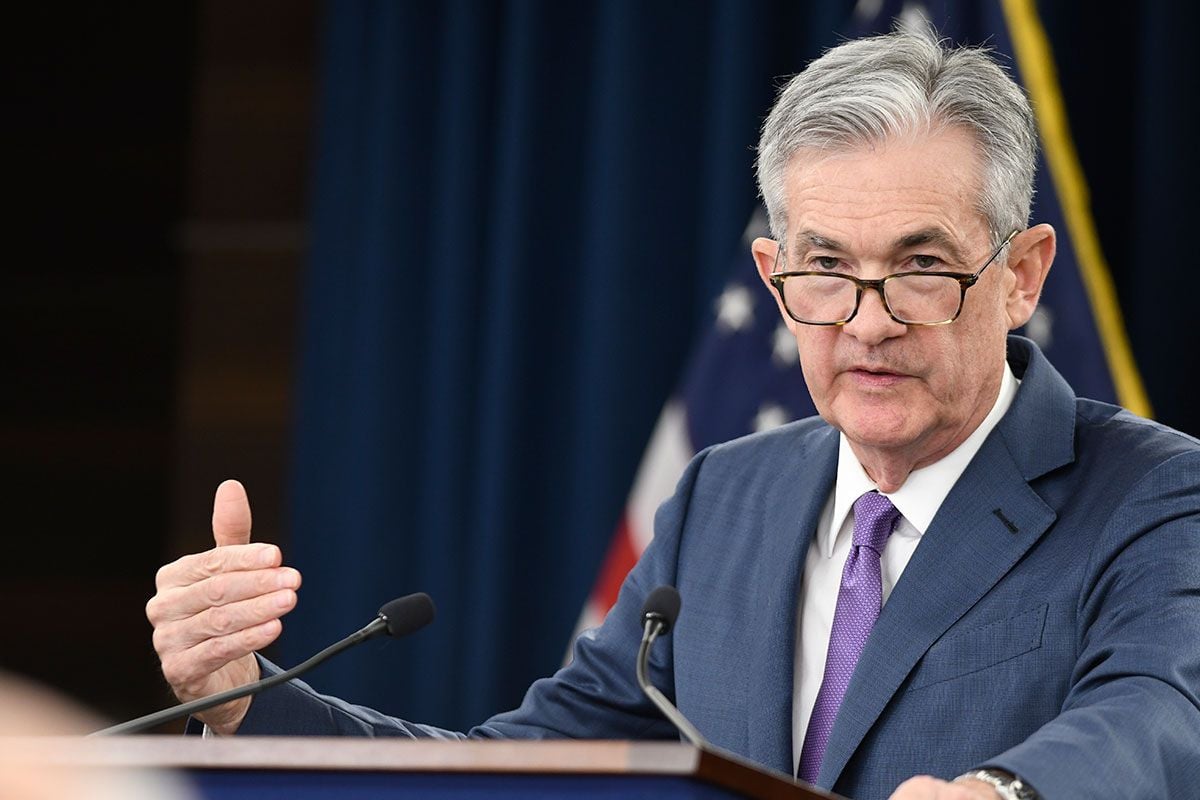
File image of Jerome Powell © Federal Reserve
The British pound is trending lower against the dollar in a week that will see the Federal Reserve and Bank of England make new policy announcements.
A busy week for global central banks - 21 of them are to make policy calls - will be framed by the ongoing war in the Middle East and the ensuing rises in energy costs.
With oil and gas on the rise, inflation risks are to the upside and growth to the downside, which leaves central bankers in uncomfortable territory. They will have to consider raising rates in the coming months, unlike two weeks ago, when the Bank of England was considering as many as two rate cuts this year.
That shift in policy expectations has underpinned the pound against most of its peers, most notably the euro, but not against the dollar.
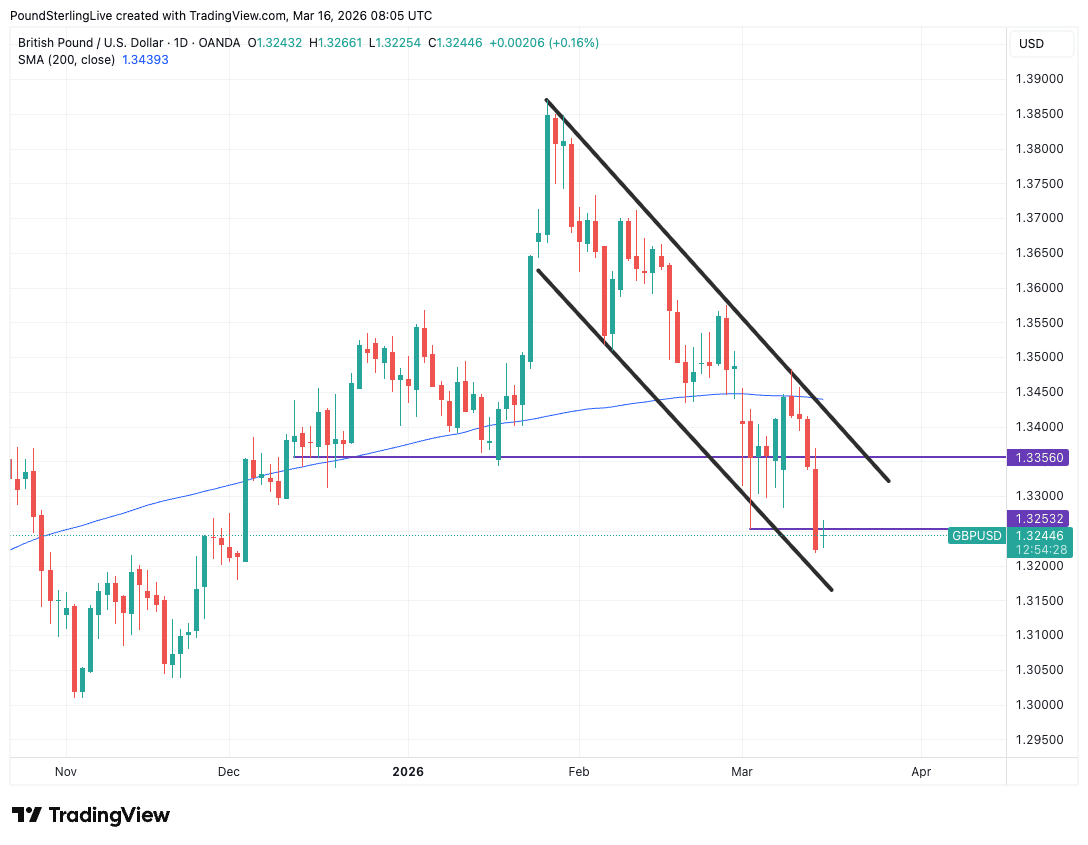
The GBP/USD exchange rate has fallen steadily as oil prices have risen and traders reduced expectations that the Federal Reserve would lower interest rates in the coming months.
Wednesday's Fed decision should see Chair Jerome Powell express an abundance of caution over global headwinds and this should keep the dollar well bid.
Thursday's Bank of England decision will echo similar sentiments, which should also keep sterling bid against most peers.
For GBP/USD specifically, there will be enough 'hawkish' communications from both sides of the Atlantic to keep the exchange rate on a steady footing, meaning any action in the coming days will depend on the headlines concerning the conflict in the Middle East and how oil and gas prices react.
Weekend news shows U.S. President Donald Trump wants a coalition of nations to commit navy assets to the Gulf of Hormuz to keep it open and help oil and gas flow through to the global economy, which will bring energy prices down.
However, the headlines show a distinct reluctance from the likes of the UK, Japan, Australia, South Korea and Europe to such an effort.
It looks like the U.S. will have to increase the tempo of attacks to bring Iran to heel and clear the skies and seas to allow shipping to resume unfettered.
The conflict therefore won't be ending this week, and for the dollar, that's supportive.
"There has been no improvement in the Middle East crisis over the weekend. President Trump's attempt to build a naval coalition to re-open the Strait of Hormuz looks like an admission that this war will not reach a swift conclusion," says Chris Turner, head of FX analysis at ING Bank.