The British pound has the opportunity to test the 1.60 level as markets get the hint that the UK economy is on a sound footing.

Those watching the market for a higher GBP/USD exchange rate have been given a boost following
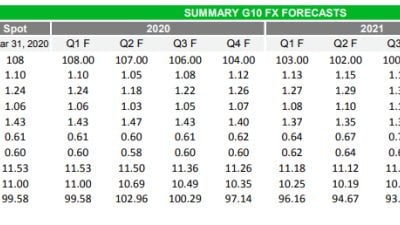
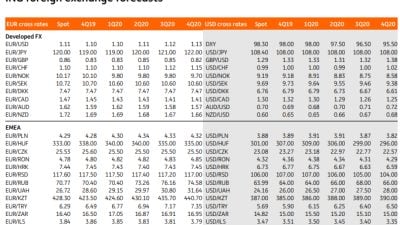
According to research conducted by Luca Mezzomo, Chief Economist with Intessa Sanpaolo, if you are willing to wait the best pound to dollar exchange rates of 2015 will present themselves once more.
Almost on cue, mid-week events in the UK have conspired to push the pound sharply higher against the Greenback.
The GBPUSD rallied over 1 percent following a double dose of bullish news - UK wages are surging ahead and the Bank of England has indicated it is looking to raise interest rates sooner than later.
"Never mind the Fed, when will Britain’s central bank raise interest rates? The horizon for the U.K. central bank to boost rates seemingly drew a little closer on news today of the strongest bump in U.K. wages in six years," says Joe Manimbo at Western Union.
Be aware though that currency market risk is picking up and the decision by the US Federal Reserve to keep rates unchanged, or raise them, on Thursday the 17th, could shake markets significantly.
Latest Pound / US Dollar Exchange Rates
  | Live: 1.337▲ + 0.02%12 Month Best:1.3867 |
*Your Bank's Retail Rate
| 1.2915 - 1.2969 |
**Independent Specialist | 1.3183 - 1.3236 Find out why this is a better rate |
* Bank rates according to latest IMTI data.
** RationalFX dealing desk quotation.
Intesa Sanpaolo Forecast a Return to 1.60
In a special report on the pound sterling Mezzomo says the outlook for the pound / dollar rate rests with the timing of interest rate rises at the Bank of England and US Federal Reserve.
According to the Intesa Sanpaolo forecast the change in the expected timing of the first BoE hike does not alter the baseline scenario for the exchange rate.
In the short term, therefore, the fluctuations of the pound should generally tend to insist on the GBP/USD 1.50-1.55 range.
“A decline to GBP/USD 1.50 (or just under) is a scenario compatible with the start of the Fed’s cycle of rate increases. The forecast recovery to GBP/USD 1.60, on the other hand, reflects the nearing of the Bank of England’s first increase.
“The assumption that the exchange rate will stay inside the same range outlined in the past five months, between GBP/USD 1.50 and 1.60, may be explained by the strong similarities between the situations in which the Fed and the BoE find themselves, which is calling them both to choose whether to afford more weight to the domestic economic picture – very favourable – or to risks stemming from the global scenario, in light of the Chinese slowdown.”
The spread between BoE and Fed policy rates, as implied by future contracts, is the same between the end of December and the end of March, and confirms the very similar behaviour of the two banks in the short term.
The Bank of England will likely increase interest rates shortly after the US Fed still applies, as such Thursday’s FOMC decision is arguably as important for the pound sterling as it is for the US dollar.
However, there is a growing consensus amongst analysts that the chances of the first move coming this year are now significantly slimmer.
In its August Inflation Report, the central bank strongly revised downwards its inflation forecasts for 2015, cutting the year-end projection by more than half from 0.7% a 0.3% y/y.
August data, released on the 15th of September, showed inflation remains at 0%.
We will need to see strong increases in inflation if we are to see the expected target reached.
Adding to a GBP-negative delay to rate rises is the recent deterioration of the global scenario, caused by the slowdown in China which the BoE took this into account at its meeting of 10 September, by saying that the situation should be monitored closely.
For global FX one event dominates the horizon: The Thursday US Federal Reserve meeting.
The market now assigns just a 30% probability to a September rate hike, while professional economists are split almost precisely 50-50.
Therefore the potential for a USD rally on the back of a rate rise has grown significantly.
Economic data has been more than supportive, but some measures of inflation expectations are now flirting with their lowest levels since the financial crisis and expected financial market volatility is now unusually high.
Neither of these are conditions that have historically supported a rising policy rate.
“We still believe the Fed is likely to raise rates before the end of the year. While the Fed is now shying away from explicit forward guidance about the timing of future policy decisions, it should at least leave the door clearly open to tightening later in the year, thus constituting a “hawkish pause” rather than a “dovish pause,” says a note on the matter from RBC Capital Markets.