"Sterling continues to look a little vulnerable against the ‘comeback’ euro and having breached 1.3450, looks set for a test back below 1.30 in the months ahead." - HiFX.

The pound to euro exchange rate fell a full percent following the release of news that UK inflation read at -0.1% year-on-year in September.
Analysts had forecast a reading of 0%.
This confirms that there is very little economic basis for the Bank of England to raise interest rates in coming months. The hope of higher interest rates is the oxygen the pound sterling depends on to stay elevated.
The inflation data saps the support out of the currency and as a result we are seeing the pound to euro conversion trading at 1.3400, below the key support of 1.3450.
Momentum remains biased to the downside but 1.3450 will be seen as a key level of support which could well carve a bottom to the declines and we will watch the GBP to EUR closely over coming hours to see whether it is able to shake of these latest inflation numbers.
Latest Pound/Euro Exchange Rates
  | Live: 1.1663▲ + 0.23%12 Month Best:1.1828 |
*Your Bank's Retail Rate
| 1.1266 - 1.1313 |
**Independent Specialist | 1.15 - 1.1546 Find out why this is a better rate |
* Bank rates according to latest IMTI data.
** RationalFX dealing desk quotation.
“Sterling continues to look a little vulnerable against the ‘comeback’ euro and having breached 1.3450, looks set for a test back below 1.30 in the months ahead. Last week, news that the trade deficit had grown to over £11bn in August demonstrates that we are still importing too much and exporting too little," says economist Chris Towner at HiFX.
One of the big influencers on trade is the value of the domestic currency and the fact that sterling is now dealing 10 cents lower against the euro than in July, will come as a welcome relief to the exporters.
Fundamental Drivers
1. September Inflation (13 Oct):
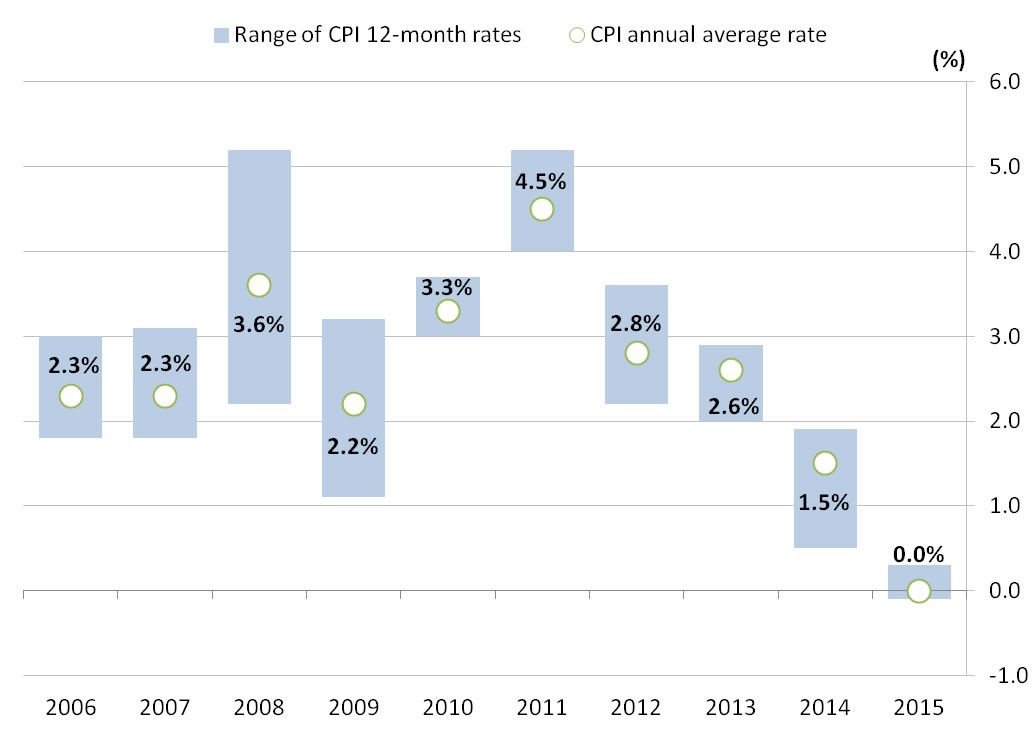
UK inflation fell back below the 0% line in September in a blow to those holding out for a stronger British pound.
According to the ONS: "Smaller than usual rise in clothing prices following the summer sales period, plus falls in the prices of petrol and diesel were the main contributors to the drop in inflation."
Analysts do warn that inflation is likely to pick up in coming months, for more on this please read below.
Ahead
2. September Employment Data (14 Oct):
TD Securities say they see the UK unemployment rate falling a tick lower to 5.4%, its lowest level since the onset of the financial crisis (consensus expects 5.5%).
“Wage growth is expected to remain strong, with ex-bonus earnings lifting up to around 3% y/y. While productivity growth is also picking up somewhat, the strength of wage growth implies healthy increases in unit labour costs, which should provide some support for inflation going forward as the MPC moves closer to hiking rates in mid-2016,” say TD Securities.
3. Minouche Shafik Speech (10 Oct):
 Deputy Governor Shafik will be a panellist at a seminar on revisiting monetary policy frameworks after the global financial crisis.
Her recent speeches have typically avoided any comment on monetary policy, but given the topic of this panel, we might gain some insights into how she’s viewing inflation and interest rate prospects in the UK.
Is the Pound Sterling Due a Comeback?
The euro continues to advance across the board, however downside risks to the shared currency from the European Central Bank (ECB) are still elevated and this subject will ultimately decide whether significant weakness will play out in coming weeks.
The euro to dollar exchange rate climbed to 1.1378 from 1.1354 as Mario Draghi suggested that ECB’s quantitative-easing program is working well, decreasing the likelihood of additional easing.
The ECB has made it clear that it stands ready to expand its quantitative easing programme if its inflation mandate comes under renewed threat.
For now we see the euro as being the currency to beat BUT we would suggest that we have seen the lion's share of GBP/EUR weakness behind us.
Fundamentals overwhelmingly favour the British economy over its Eurozone counterpart and we believe the sell-off has gone to far.
"Given how bearish GBP sentiment is right now, we suspect that positive data surprises will outweigh any political headwinds. Look out for the 0.7450 resistance level in EUR/GBP; we expect this to hold today and hence prefer fading any move higher for the pair," say ING.
UK Inflation Will Rebound
Have foreign exchange markets over-reacted to the inflation data?
There are signs that inflation could soon rebound; something that presents a positive concerning the GBP's outlook.
Three elements of the basket made a notable contribution to the fall in inflation this time.
Petrol prices fell c.3% on the month, gas bills were cut 5% for British Gas customers and the seasonal rebound in clothing prices after summer sales was shallower than usual. The first two of these factors were well anticipated but the dynamic in the clothing and footwear sector has been enough to cause the dip below zero. This factor also saw the core CPI rate hold constant at 1% y/y as opposed to meeting expectations of a small rise.
Generally speaking there is a lot of familiar news in the detail; fuel and food prices are firmly in deflationary territory but most other categories have modest positive inflation rates. The goods/services dichotomy remains with goods prices down 2.4% y/y but services prices up 2.5% y/y.
"From here we expect inflation to make a reasonably sharp jump around the turn of the year, even if next month’s outturn remains around zero too. This is a function of the base effects from the drop in the oil price late in 2014," say RBC Capital in a note to clients.